Vestibular Therapy in Whitby: Reclaiming Your Balance and Confidence
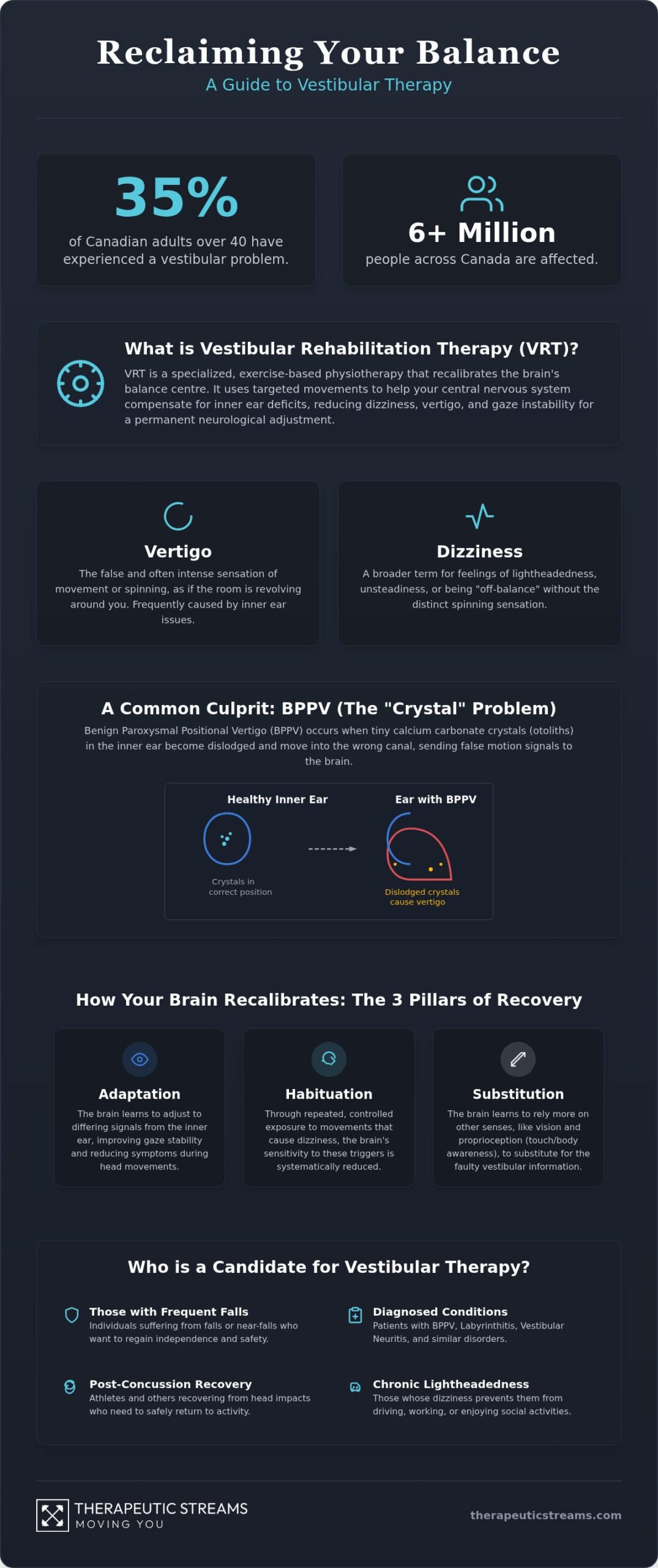
Did you know that up to 35 percent of Canadian adults over the age of 40 have experienced a vestibular problem at some point? This equates to more than 6 million people across the country struggling with the disorientation of vertigo or a persistent lack of balance. If you’ve found yourself avoiding public spaces for fear of falling or feeling frustrated by medical advice that suggests you just wait and see, you aren’t alone. These symptoms are more than a minor inconvenience; they can disrupt your ability to drive, work, and enjoy life in the Durham Region. Fortunately, specialized vestibular therapy offers a clinical pathway to recalibrate your internal balance system and reclaim your confidence.
We understand how isolating it feels when the world won’t stop spinning, and we agree that you shouldn’t have to settle for a life limited by dizziness. This article explains how an integrated, evidence-based approach to vestibular rehabilitation can eliminate the sensation of vertigo and help you feel steady while walking or exercising. We’ll preview the assessment process used in Whitby to identify the root cause of your symptoms, whether it’s BPPV or a post-concussion concern, and show you how a personalized recovery plan can return you to a normal, active social life without fear.
Key Takeaways
- Understand how specialized vestibular therapy uses exercise-based programs to reduce dizziness and stabilize your gaze, moving beyond “wait and see” medical advice.
- Learn to identify common triggers for vertigo, such as BPPV, and discover how specific clinical manoeuvres can resolve the sensation of spinning.
- Discover the importance of a comprehensive clinical assessment that examines your unique triggers to build a foundation for recovery.
- Explore the science of brain recalibration through adaptation and habituation techniques designed to restore your natural balance.
- See how integrating Registered Massage Therapy addresses secondary issues like neck tension, ensuring a holistic return to your active lifestyle.
What is Vestibular Rehabilitation Therapy (VRT)?
Vestibular Rehabilitation Therapy (VRT) is a specialized form of physiotherapy designed to alleviate primary and secondary problems caused by vestibular disorders. It isn’t just a set of generic balance exercises; it’s a highly targeted, exercise-based program primarily intended to reduce vertigo, dizziness, and gaze instability. Essentially, VRT represents a recalibration of the brain’s balance centre through evidence-based neuroplasticity. By focusing on the relationship between the inner ear, the eyes, and the brain, this therapy provides a structured pathway for patients to regain their physical steady state.
When the vestibular system, located in the delicate structures of the inner ear, sends conflicting signals to the brain, the result is often a debilitating sense of motion. The goal of vestibular therapy is to use specific, evidence-based movements to prompt the central nervous system to compensate for these inner ear deficits. Through Vestibular rehabilitation (VR), the brain learns to rely on alternative sensory inputs, such as vision and proprioception, to maintain stability. This process is not a temporary fix but a permanent neurological adjustment. It helps patients regain control over their movements and reduces the fear of sudden dizzy spells that often lead to social withdrawal or physical inactivity.
The Difference Between Vertigo and Dizziness
In our clinical practice at Therapeutic Streams, we often find that patients use “vertigo” and “dizziness” interchangeably, yet they describe very different physiological experiences. Vertigo is the false sensation of movement or spinning, often making you feel like the room is tilting or revolving. This is frequently a direct result of inner ear issues like displaced crystals. Dizziness, conversely, is a broader term that encompasses feelings of lightheadedness, unsteadiness, or simply feeling “off-balance” without the spinning sensation. Understanding these distinctions helps our clinicians create a more accurate and effective treatment plan tailored to your unique sensory experience.
Who is a Candidate for Vestibular Rehab?
Many people assume that balance issues are just a natural part of aging, but this is rarely the case. Professional vestibular therapy is an essential resource for various individuals in the Durham Region who feel their world has become unstable. Candidates often include:
- Individuals suffering from frequent falls or near-falls who want to regain their independence and safety at home.
- Patients diagnosed with specific conditions like Benign Paroxysmal Positional Vertigo (BPPV), Labyrinthitis, or Vestibular Neuritis.
- Athletes in Whitby and Ajax who are recovering from concussions or sports-related head impacts and need to return to play safely.
- Those experiencing chronic lightheadedness that prevents them from driving, working effectively, or participating in family activities.
By identifying these deficits early through a one-on-one clinical appointment, we can prevent the development of secondary issues like chronic neck tension or physical deconditioning.
Common Conditions Treated by Vestibular Rehabilitation
While the sensation of dizziness is a shared experience, the underlying causes are remarkably diverse. At Therapeutic Streams, we recognize that an accurate diagnosis is the first step toward effective treatment. Clinical research indicates that targeted exercise is an effective treatment of many disorders, ranging from sudden-onset viral infections to chronic, degenerative conditions. By identifying the specific mechanism of your imbalance, we can apply the most direct clinical intervention to restore your stability.
BPPV: The “Crystal” Problem
Benign Paroxysmal Positional Vertigo, or BPPV, is perhaps the most common cause of vertigo we see in our Whitby clinic. This condition occurs when tiny calcium carbonate crystals, known as otoliths, become dislodged from their proper place in the inner ear and migrate into the semicircular canals. Once there, they shift with head movement, sending false signals to your brain about your position relative to gravity. This creates a brief but intense spinning sensation whenever you tilt your head or roll over in bed.
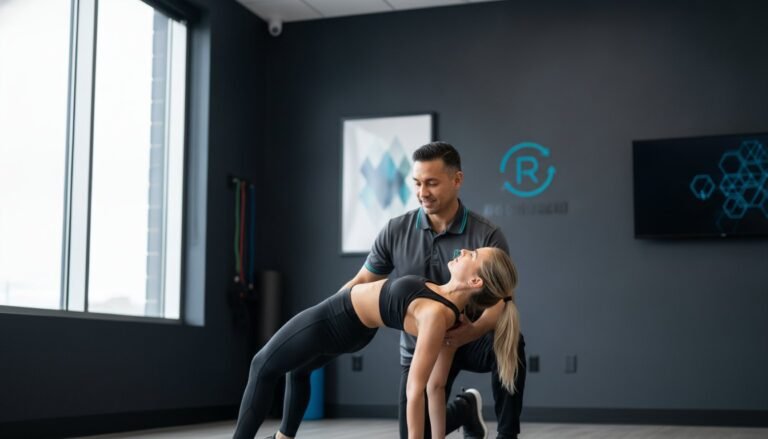
The Epley Manoeuvre is a highly successful clinical technique used to reposition these crystals back into their correct chamber. While you might find “YouTube manoeuvres” online, attempting these at home can be risky. Incorrectly performing these movements can move the crystals into a different canal, potentially worsening your symptoms or causing new complications. Professional guidance ensures the manoeuvre is performed safely and accurately based on which specific canal is affected. If you’re struggling with these sudden bouts of spinning, a professional vestibular assessment can confirm if BPPV is the culprit.
Concussion-Related Balance Issues
In the Durham Region, youth sports and motor vehicle accidents are frequent sources of head trauma. A concussion often disrupts the delicate link between the vestibular system and the brain’s ability to process motion and visual information. This disruption leads to persistent “brain fog,” lightheadedness, and a feeling of being “off” during physical activity. Modern recovery protocols have shifted away from total rest; instead, vestibular therapy has become a cornerstone of active concussion recovery in Ajax and Whitby.
Our approach integrates vision and balance exercises to help the brain relearn how to coordinate sensory input. For an athlete, this might involve gaze stabilization drills that mimic the fast-paced environment of a hockey rink or soccer field. For a commuter recovering from an accident, it may focus on reducing the dizziness triggered by moving traffic or scrolling on a screen. By addressing these deficits early, we help prevent post-concussion syndrome and ensure a safer, more confident return to play or work. Vestibular therapy provides the structured challenge your nervous system needs to heal effectively after an impact.
Beyond BPPV and concussions, we also provide dedicated care for Vestibular Neuritis and Labyrinthitis, which involve inflammation of the inner ear nerves often following a viral infection. We also assist patients managing Ménière’s Disease, where fluid buildup causes pressure and hearing loss. Each of these conditions requires a different clinical strategy, but the goal remains the same: helping you move through the world without the constant threat of imbalance.
The Clinical Assessment: How We Identify Your Balance Deficits
A comprehensive assessment is the cornerstone of every successful recovery journey at Therapeutic Streams. We don’t believe in a one-size-fits-all approach because dizziness is a highly individual experience. During your initial specialized assessment, we examine your medical history, current symptoms, and the specific triggers that provoke your discomfort. By understanding whether your symptoms worsen when you turn your head, look at a computer screen, or walk in a busy grocery store, we can pinpoint the exact nature of your deficit. This meticulous data collection ensures we aren’t just treating symptoms but addressing the root cause of your imbalance.
Our therapists utilize specialized diagnostic tests to observe eye movements and balance reactions. These tests are essential for distinguishing between central nervous system issues and peripheral inner ear disorders. The results allow us to develop a customized exercise plan tailored to your specific neurofunctional needs. This clinical precision is what makes Vestibular Rehabilitation Therapy (VRT) so effective for long-term resolution. We prioritize an evidence-based framework that gives you a clear roadmap toward wellness.
What to Expect During Your First Visit
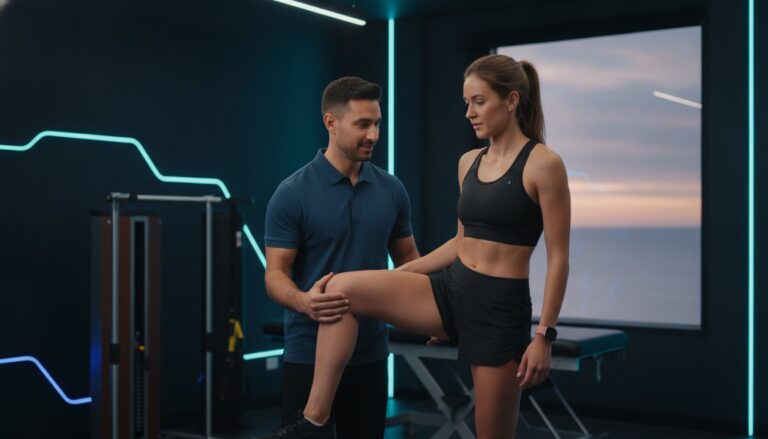
You might feel anxious about your first visit, but our goal is to provide clarity rather than more confusion. We begin by evaluating gaze stability to see if your eyes can stay focused while your head is moving. Next, we conduct a balance and gait analysis, observing how you walk and stand on various surfaces like firm floors or foam pads. Finally, we perform positional testing. These are specific, controlled movements designed to check if calcium crystals have migrated into the semicircular canals, which is a common cause of vertigo. Each test is performed with care to ensure your comfort while gathering vital diagnostic information.
The Role of One-on-One Sessions
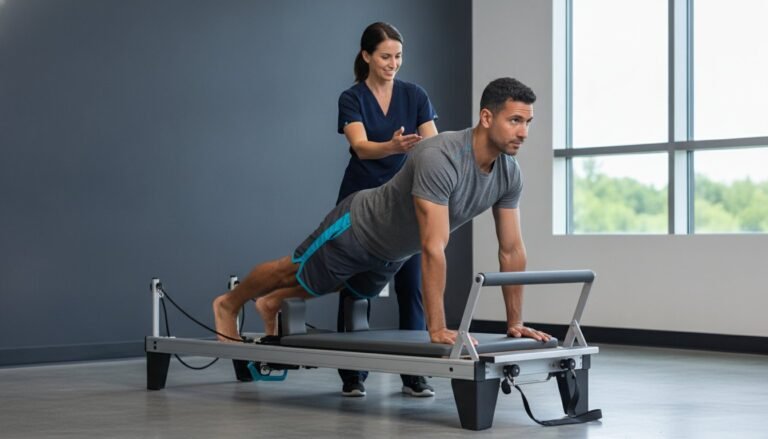
Therapeutic Streams prioritizes individual attention over the “revolving door” model often found in high-volume clinics. This one-on-one focus is vital for your safety and progress. Exercises in vestibular therapy may initially provoke mild symptoms as we challenge your nervous system to recalibrate. Having a dedicated therapist by your side ensures you maintain proper form and stay within a therapeutic range of discomfort. We also use this time to practise movements that relate directly to your daily life in Whitby. Whether it’s navigating the stairs in your home or walking on the uneven outdoor paths of the Durham Region, we ensure your rehab translates to real-world confidence. Personalized care leads to better outcomes.
The Science of Recovery: Adaptation, Habituation, and Substitution
Recovery from a balance disorder is an active process that relies on the brain’s inherent ability to change, a concept known as neuroplasticity. This is the foundation of vestibular therapy. When the delicate structures of your inner ear are compromised, the signals sent to your brain become noisy or inconsistent. Through targeted clinical interventions, we guide your central nervous system to filter out this misinformation. It’s vital to understand that these exercises don’t just mask symptoms; they physically rewire how your brain processes motion.
The first mechanism we utilize is adaptation. This involves training the brain to adjust to the incorrect signals coming from the damaged inner ear. By repeatedly challenging the system with specific head movements, we encourage the brain to recalibrate its expectations. This isn’t about avoiding the dizziness; it’s about teaching your brain to handle it until the sensation no longer feels like a threat. This recalibration is essential for long-term recovery and prevents the brain from becoming permanently reliant on safe but limiting movement patterns.
Habituation: Taming the Dizziness
Habituation is the process of reducing the dizziness response through repeated, controlled exposure to specific movements. During your clinical sessions, we identify the exact provocative movements that trigger your symptoms, such as bending over to tie your shoes or looking up at a high shelf. We then introduce these movements in small, manageable doses. This gradual desensitization teaches your nervous system that these triggers are not dangerous. Consistency with your prescribed home-based exercises is vital for long-term habituation. Without regular practice, the brain can lose the progress made during your one-on-one appointments in Whitby.
Substitution: Building a New Balance Foundation
When the vestibular system is significantly impaired, we employ substitution. This strategy focuses on strengthening other senses, like vision and touch, to take over for the lost vestibular function. We place a heavy emphasis on proprioception, which is your body’s internal sense of its position in space. By performing exercises on various surfaces like foam, grass, or carpet, we challenge your feet and joints to provide better data to your brain. Vision also plays a critical role. We teach you how to use visual cues more effectively to maintain stability when your inner ear signals are compromised. This integrated approach ensures that even if one system is weakened, the others are strong enough to keep you upright and confident. If you’re ready to start this recalibration process, book your specialized assessment to reclaim your stability today.
Integrated Vestibular Care at Therapeutic Streams
Living with a balance disorder often takes a significant physical toll beyond the initial sensation of dizziness. Many patients unconsciously develop a “stiff-neck” or secondary neck tension because they’ve spent weeks or months avoiding head movements to prevent vertigo. This protective guarding can lead to chronic pain and restricted mobility that persists even after the inner ear issue is addressed. At Therapeutic Streams, our goal is a holistic recovery. We don’t just treat the dizziness; we address the compensatory strain it places on your entire body to ensure you return to your daily activities in the Durham Region without lingering discomfort.
Our clinical model prioritizes an integrated approach where vestibular therapy works in tandem with other disciplines. Chiropractic care plays a vital role in ensuring the cervical spine is functioning optimally. When the joints in your neck are restricted, they can send faulty signals to the brain about your head position, further complicating your balance. By addressing these mechanical issues, we provide a stable foundation for your nervous system to recalibrate. This collaborative environment ensures that every aspect of your musculoskeletal health is supported during your recovery journey. For patients dealing with persistent soft tissue pain alongside their balance issues, shockwave therapy is another evidence-based option available at our clinic that uses targeted acoustic waves to accelerate tissue repair and reduce chronic discomfort.
The Benefits of Integrated Physiotherapy and RMT
One of the most effective ways we support our patients is by integrating Registered Massage Therapy (RMT) with their rehabilitation plan. This is particularly important for those experiencing “cervicogenic dizziness,” a condition where neck dysfunction directly contributes to a sense of imbalance. Massage therapy helps release the deep muscle tension caused by postural guarding, which can often be a hidden trigger for ongoing lightheadedness. Beyond the physical release, RMT is an excellent tool for reducing the anxiety and systemic stress that frequently accompany chronic vertigo. Our therapists communicate directly with one another to ensure your Whitby treatment plan is cohesive and responsive to your progress.
Your Path to Wellness in the Durham Region
Reclaiming your confidence begins with a clear, assessment-driven strategy. For residents in Whitby, Ajax, and Oshawa, our clinic provides a professional environment where your individual needs are the primary focus. Booking your specialized assessment is simple and can be completed through our online portal. When you prepare for your first session, we suggest wearing comfortable, loose-fitting clothing that allows for easy movement. Please bring any relevant medical notes or a list of medications, as this helps our team build the most accurate clinical picture possible. We’re here to act as your advocate and partner as you transition from the frustration of dizziness back to an active, steady life. Cyclists in the Durham Region returning to riding after a balance disorder may also benefit from professional bike fitting in Whitby, which ensures your bicycle geometry supports your musculoskeletal health as you rebuild your activity levels.
Book your vestibular assessment at Therapeutic Streams today and take the first step toward lasting balance and stability.
Restore Your Stability and Confidence
Living with the constant threat of dizziness is exhausting, but it doesn’t have to be your permanent reality. By choosing vestibular therapy, you are opting for a science-backed method to retrain your brain and nervous system. We’ve explored how targeted exercises like habituation and substitution can resolve the root causes of vertigo, while an integrated approach ensures your neck and musculoskeletal system support your recovery. This transition from discomfort to wellness is possible through dedicated, personalized care.
Our team at Therapeutic Streams provides one-on-one sessions with registered professionals who understand the complexities of your journey. We proudly serve the communities of Whitby, Oshawa, and Ajax, offering evidence-based clinical treatments that prioritize your safety and long-term success. You don’t have to navigate this path alone; we’re here to act as your advocate for health and stability.
Reclaim your balance; book your professional vestibular assessment in Whitby today.
We look forward to helping you move through the world with ease and certainty once again.
Frequently Asked Questions
How long does vestibular therapy take to work?
The duration of your recovery depends entirely on the underlying cause of your symptoms and how long they have been present. For instance, Benign Paroxysmal Positional Vertigo (BPPV) often resolves in as few as one to three sessions through specific repositioning manoeuvres. More complex cases, such as post-concussion syndrome or chronic vestibular neuritis, typically require several weeks of consistent exercise to achieve significant neuroplastic changes. Your therapist will provide a clearer timeline after your initial clinical assessment.
Will vestibular rehabilitation make me feel more dizzy at first?
It is common to experience a temporary increase in symptoms during your initial sessions. Vestibular rehabilitation relies on a principle called therapeutic provocation, where we purposefully trigger mild dizziness to encourage the brain to recalibrate. Our therapists carefully monitor your response to ensure these sensations remain within a manageable range. This short-term discomfort is a necessary part of the healing process, leading to long-term stability and desensitization of your nervous system.
Is vestibular therapy covered by my extended health insurance in Ontario?
Most extended health insurance plans in Ontario cover vestibular therapy under their physiotherapy benefits. Since these sessions are conducted by registered professionals at Therapeutic Streams, they typically qualify for reimbursement through major providers. We recommend checking your specific policy for details regarding annual limits or requirements for physician referrals. These services are also frequently covered under Motor Vehicle Accident (MVA) insurance if your symptoms resulted from a collision.
Do I need a doctor’s referral for vestibular rehab in Whitby?
You do not need a doctor’s referral to book an assessment at our Whitby clinic. In Ontario, physiotherapists are primary care providers, which means you can access their specialized services directly. However, we suggest checking with your insurance provider before your first visit. Some private plans still require a physician’s note to process your reimbursement claims, even though a referral is not required by the clinic itself.
Can I drive myself home after my first vestibular therapy session?
We strongly recommend having a family member or friend drive you home after your initial assessment and first treatment session. Because vestibular therapy involves movements that intentionally provoke your symptoms to test your balance, you may feel temporarily unsteady or lightheaded immediately following your appointment. Once we understand how your body responds to the exercises, you and your therapist can determine if it is safe for you to drive yourself to future sessions.
How is vestibular therapy different from regular physiotherapy?
While traditional physiotherapy often focuses on musculoskeletal strength and joint mobility, this specialized branch targets the sensory systems responsible for balance. It involves specific exercises for gaze stabilization, inner ear recalibration, and sensory organization. Our therapists use diagnostic tests to evaluate how your brain integrates visual, vestibular, and proprioceptive information. This targeted approach is essential for resolving dizziness and vertigo that standard physical therapy may not address.
Is vestibular rehab effective for elderly patients with balance issues?
Vestibular rehabilitation is highly effective for older adults and is a critical tool for fall prevention in the Durham Region. Statistics from across Canada indicate that one in three seniors experiences a fall each year, often due to undiagnosed vestibular deficits. These sessions help improve steady walking and increase confidence during daily activities. By strengthening the balance system, elderly patients can maintain their independence and significantly reduce the risk of injury related hospitalizations.
Can vestibular therapy help with chronic motion sickness?
Yes, this therapy can significantly reduce the severity of chronic motion sickness through habituation exercises. Motion sickness occurs when there is a conflict between what your eyes see and what your inner ear feels. By gradually exposing your nervous system to controlled provocative movements, we help your brain become less reactive to these conflicting signals. This is particularly beneficial for individuals who struggle with car travel, reading while in motion, or navigating busy public environments.