Shockwave Therapy: A Comprehensive Guide to Acoustic Healing and Recovery
The “shock” in shockwave therapy isn’t an electrical current; it’s actually a mechanical “biological restart” for your body’s stalled healing process. If you’ve been living with persistent pain that refuses to budge despite rest and traditional exercises, you’re likely feeling frustrated and perhaps a little apprehensive about more invasive options like surgery or injections. It’s exhausting to manage a musculoskeletal condition that limits your mobility and clouds your daily life, especially when the path to recovery feels unclear or intimidating.
You deserve a rehabilitation plan that prioritizes results and evidence-based care without the need for needles or significant downtime. This guide will show you how shockwave therapy uses targeted acoustic waves to accelerate tissue repair and eliminate chronic discomfort, helping you return to the sports and daily activities you love. We will explore the science behind this modern technology and explain how it integrates into a professional care plan, providing you with a clear understanding of the treatment process and the long-term relief you can achieve through a collaborative approach to wellness.
Key Takeaways
- Learn why the “shock” in this treatment refers to mechanical pressure waves rather than electricity, providing a safe way to restart your body’s natural healing.
- Discover how shockwave therapy effectively addresses chronic tendonitis, plantar fasciitis, and heel spurs that haven’t responded to traditional rest.
- Understand the difference between radial and focused technologies to identify which acoustic approach best suits your specific musculoskeletal needs.
- Find out what to expect during a typical session, from the initial clinical assessment to the application of the hand-held device.
- See how integrating these treatments with physiotherapy and chiropractic care in Whitby creates a comprehensive, collaborative path toward long-term mobility.
Understanding Shockwave Therapy: The Science of Acoustic Healing
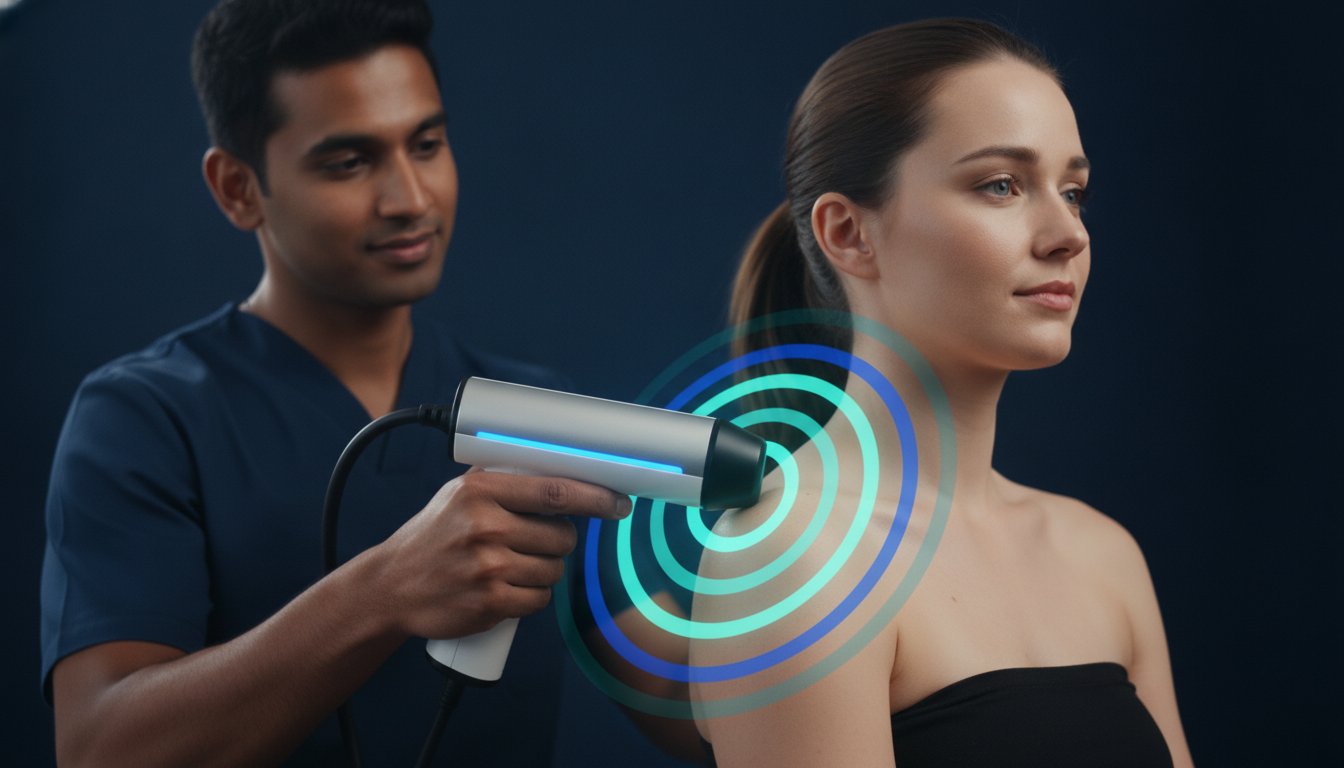
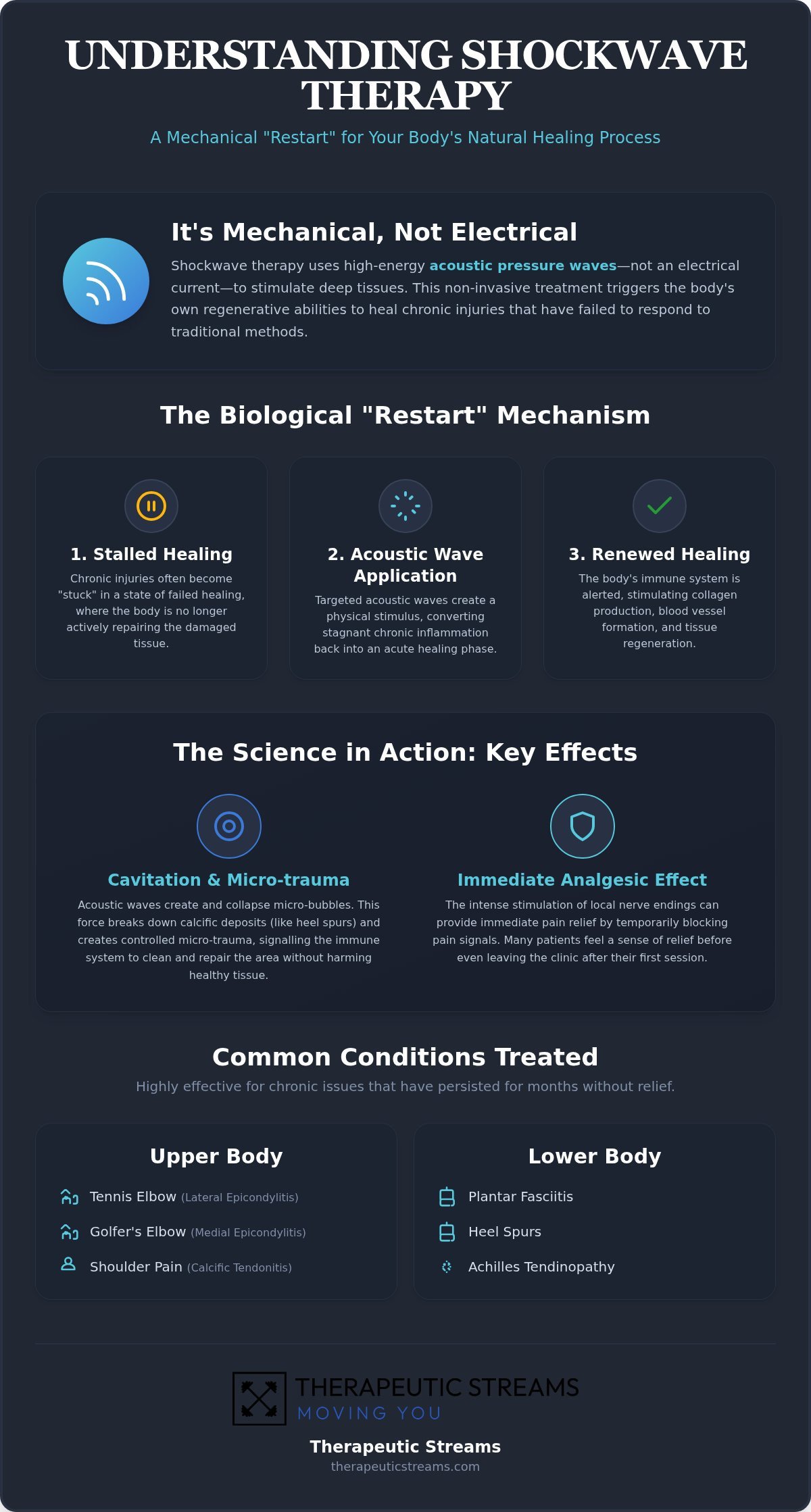
Shockwave therapy, formally known as Extracorporeal shockwave therapy (ESWT), is a sophisticated, non-invasive treatment that uses high-energy acoustic waves to address stubborn musculoskeletal conditions. A common point of confusion for many patients is the term “shock.” It’s vital to understand that this treatment involves no electrical current. Instead, the term refers to a rapid rise in mechanical pressure that travels through the skin to reach deep-seated tissues. It’s a physical force, much like a tiny, focused sound wave, designed to trigger the body’s natural regenerative abilities.
The core of this technology lies in a process called mechanotransduction. This is the biological mechanism where your cells convert a physical stimulus into a specific biochemical signal. When these acoustic waves interact with damaged tissue, they create a cellular response that instructs the body to begin repairing itself. Neovascularization is the essential biological process of creating new blood vessels to improve circulation and nutrient delivery to the injured area.
The Biological “Restart” Mechanism
Chronic injuries often become “stuck” in a state of failed healing where the body essentially gives up on repairing the damage. Shockwave therapy acts as a biological restart by converting this stagnant, chronic inflammation back into an acute healing phase. It alerts your immune system that the site requires attention. This process significantly stimulates the production of collagen, which is the primary structural protein needed for healthy tendon and ligament repair. Additionally, the mechanical energy triggers the release of growth factors that accelerate tissue regeneration, helping you move from a state of discomfort to one of wellness.
Cavitation and Micro-trauma
A unique aspect of this therapy involves a phenomenon called cavitation. As the acoustic waves pass through the body, they create tiny micro-bubbles that expand and then rapidly collapse. This localized force is powerful enough to break down calcific deposits, which are often the culprits behind heel spurs or calcific tendonitis. This creates a form of controlled micro-trauma. It’s a precise, intentional signal that alerts the immune system to the injury site without damaging healthy surrounding structures. Many patients also experience an immediate analgesic effect. The intense stimulation of local nerve endings can temporarily block pain signals, providing a sense of relief that begins even before you leave the clinic.
Common Conditions Treated: When to Consider Shockwave Therapy
Deciding when to transition from basic conservative management to a more advanced intervention is a pivotal moment in your recovery journey. While rest and activity modification are helpful for acute strains, chronic tendonitis often requires a proactive catalyst to restart the healing process. Shockwave therapy is specifically indicated for conditions that have persisted for several months, particularly when initial treatments haven’t provided the desired relief. This includes common issues like lateral epicondylitis, often called Tennis Elbow, and its counterpart on the inner arm, Golfer’s Elbow. In the shoulder, it’s a highly effective tool for addressing calcific tendonitis, where calcium deposits within the rotator cuff cause sharp, limiting pain that resists traditional stretching. According to the FDA patient information on ESWT, these treatments are designed for patients who seek a non-invasive path forward after other options have stalled.
Lower Body: Plantar Fasciitis and Achilles Tendinopathy
For many, the first steps out of bed in the morning are the most painful. This sharp, stabbing sensation in the heel is a classic symptom of plantar fasciitis, a condition where the thick band of tissue on the bottom of your foot becomes inflamed and thickened. Shockwave therapy provides a mechanical stimulus that breaks down scar tissue and encourages the fascia to organize into a healthier, more flexible state. Similarly, stubborn Achilles tendinopathy, which often affects runners and active individuals, responds well to this acoustic approach. Because these tendons are thick and bear significant weight, they require a precise application of energy to stimulate repair. A professional clinical assessment is the first step to ensure your symptoms are truly tendon-related and that you are an ideal candidate for this modality.
Upper Body and Sports Injuries
Athletes throughout the Durham Region frequently encounter Jumper’s Knee, or patellar tendinopathy, which can make every squat or jump feel like a hurdle. This acoustic treatment is also beneficial for chronic hip pain and bursitis, where the mechanical waves help reduce localized inflammation and improve joint function. Beyond soft tissue, modern clinical standards recognize the use of shockwave for stress fractures and non-union bone healing, where it helps stimulate the bone-forming cells to bridge the gap in a fracture. Cyclists in particular may find that knee and hip tendon issues are compounded by poor equipment setup, making a professional bike fitting in Whitby a valuable complement to acoustic treatment for resolving the root cause of repetitive strain. If you’ve been struggling with a persistent injury that keeps you on the sidelines, scheduling an assessment at our clinic can help determine if this advanced technology is the missing piece in your rehabilitation plan.
Radial vs. Focused Shockwave: Comparing Technologies for Recovery
Selecting the appropriate technology is a critical step in ensuring your recovery is both efficient and effective. When you explore shockwave therapy, you’ll find two primary modalities: radial pressure waves and focused shockwaves. Each serves a distinct purpose based on the location and depth of your injury. While focused waves are highly concentrated and can reach deeper structures like bone, radial pressure waves are widely considered the gold standard for general musculoskeletal rehabilitation. This is because most sports-related injuries occur in the superficial layers of tendons and muscles where radial waves excel. Understanding these differences allows for a more personalized approach to your healing journey.
Radial Pressure Waves (RPW)
Radial pressure waves distribute energy over a larger surface area as they travel into the body. This divergent pattern is particularly beneficial for treating superficial tendons, such as the Achilles or the plantar fascia, as well as large muscle groups like the hamstrings or calves. By spreading the mechanical energy across the entire affected region, your practitioner can address not only the primary site of pain but also the surrounding tissues that often become tight or dysfunctional as a result of the injury. This broad application makes radial therapy the preferred choice for most athletic populations in the Durham Region who are looking for a comprehensive recovery. It ensures that the entire “pain zone” receives the biological stimulus needed to initiate repair.
Choosing the Right Modality
The decision between these technologies relies heavily on a thorough clinical assessment. If an injury is deep within a joint or involves complex bone-related issues, a focused approach might be necessary to reach the target tissue. However, for the vast majority of tendonitis and muscle-related complaints, a radial approach provides the necessary stimulation without being unnecessarily aggressive. The depth of penetration is a key factor; radial waves typically reach three to four centimetres, which is ideal for most soft tissue work.
At Therapeutic Streams, we organize your treatment plan based on these specialized assessments to ensure the intensity and depth match your specific needs. We also adjust the intensity of the pulses during the session to suit your individual tolerance. This ensures the process remains manageable while still achieving the desired biological response. Clinicians carefully calibrate the frequency and pressure of the waves to maximize the therapeutic effect, ensuring the mechanotransduction process is optimized for your unique tissue density. By tailoring the delivery of the energy, we provide a professional and supportive environment for your transition from discomfort to wellness.
The Patient Experience: What to Expect During Your Treatment
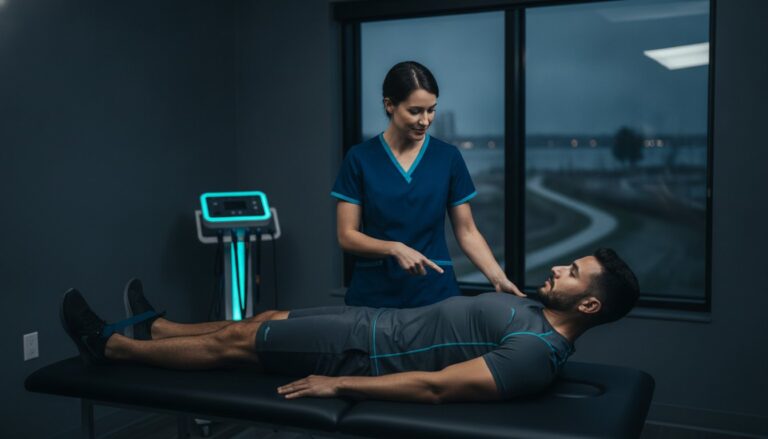
Your journey with shockwave therapy begins with a comprehensive clinical assessment. This initial step is vital to ensure that your specific condition is suitable for acoustic treatment and that there are no contraindications. Once we confirm you are a candidate, the procedure is straightforward. Your practitioner applies a clear ultrasound gel to the skin over the injured area. This gel ensures the acoustic waves travel efficiently from the hand-held applicator into your tissues without losing energy at the skin’s surface. The applicator is then moved in a slow, circular motion over the site of discomfort, delivering precise pulses of mechanical energy.
Most patients describe the sensation as a rhythmic thumping or a deep, dull ache. While it can cause some mild discomfort, it is rarely described as painful. A typical treatment session is relatively brief, usually lasting between 10 and 15 minutes. To achieve the best results, a standard protocol involves 3 to 5 sessions. These are typically spaced one week apart to allow your body’s cellular repair mechanisms to respond between treatments.
Managing Discomfort and Intensity
We prioritize your comfort throughout the session. The intensity of the waves is always increased gradually; we start at a lower setting and ramp up as your tissues desensitize. It is a collaborative process where you provide constant feedback to your clinician. You might notice that we avoid using numbing agents or ice before the session. This is intentional. We want to preserve the body’s natural inflammatory response and ensure the biological “restart” is fully triggered. Many patients are surprised to feel an immediate reduction in pain after the first session, a result of the temporary desensitization of local nerve endings.
Post-Treatment Guidelines
The 48 hours following your session are a critical window for healing. We recommend avoiding high-impact activities or heavy loading of the treated area during this time. It is also essential to avoid anti-inflammatory medications, such as NSAIDs, for several days. Because the treatment relies on a controlled inflammatory response to stimulate repair, these medications can actually hinder your progress. While some relief is often felt early on, most patients realize significant, long-term improvements in mobility and pain reduction approximately 6 to 12 weeks after their final session. If you are ready to move past chronic pain, you can book your initial assessment to begin your personalized recovery plan.
Integrated Recovery in Whitby: The Therapeutic Streams Advantage
Healing rarely happens in a vacuum. At Therapeutic Streams, we believe that the most effective recovery plans are those that look at the body as a whole. While shockwave therapy is a powerful tool for restarting the biological repair process, its impact is amplified when it’s part of a cohesive strategy. We integrate this technology directly into our physiotherapy Whitby services, ensuring that as your tissues begin to heal, your movement patterns are also corrected. Similarly, combining acoustic waves with adjustments from chiropractors Whitby helps ensure that joint alignment supports the soft tissue regeneration occurring at the injury site.
Our clinic prioritizes one-on-one sessions, providing a focused environment where your progress is monitored closely by a dedicated professional. This assessment-driven approach means your treatment isn’t a “one-size-fits-all” solution. We use modern clinical standards to evaluate your response to every pulse, adjusting the protocol to match your evolving needs. This level of personalized care is what defines our commitment to the Durham Region community. We believe an informed patient is a more successful one; we take the time to explain the clinical justifications for every step of your journey, acting as a passionate advocate for your long-term success.
A Collaborative Approach to Chronic Pain
Registered Massage Therapy (RMT) plays a vital role in this integrated model by addressing the secondary muscle tension that often develops around a chronic injury. By releasing these compensatory patterns, we create a more receptive environment for the acoustic waves to reach the target area. We also emphasize the importance of progressive strengthening exercises. Once the initial pain subsides, building resilience in the tendons and muscles is what prevents the injury from returning. In complex cases involving balance or dizziness alongside musculoskeletal pain, vestibular therapy can be integrated into your plan to ensure a comprehensive return to function and confidence.
Booking Your Assessment in Whitby
We invite residents from Whitby, Oshawa, and Ajax to take the first step toward a pain-free lifestyle. Whether you’re a local athlete looking to return to the field or a busy parent managing daily discomfort, our team is here to act as your expert partner. Our goal is to move you from a state of frustration to one of wellness through evidence-based, results-oriented care. Our online booking system is designed to fit the schedules of busy Durham Region families, making it simple to find a time that works for you. Don’t let chronic pain dictate your mobility any longer.
Book your shockwave therapy assessment at Therapeutic Streams today.
Reclaiming Your Active Lifestyle with Evidence-Based Care
Choosing a path toward recovery shouldn’t feel like a leap into the unknown. By understanding that shockwave therapy acts as a precise mechanical catalyst for healing, you can move forward with the confidence that your treatment is rooted in modern clinical standards. This non-invasive approach offers a powerful alternative to surgery; it’s specifically designed to address the chronic conditions that have stalled your progress. Whether you’re dealing with stubborn heel pain or a persistent sports injury, the transition from discomfort to wellness is possible through a dedicated, assessment-driven plan.
At Therapeutic Streams, we pride ourselves on delivering these results through an integrated team of physiotherapists, RMTs, and chiropractors who collaborate on your specific goals. Serving the communities of Whitby, Oshawa, and Ajax, we’re committed to providing the one-on-one support you need to thrive. Our evidence-based protocols ensure that every session is a purposeful step toward long-term relief and improved mobility.
Your journey to a pain-free life begins with a clear understanding of your body’s potential to heal. Book Your One-on-One Shockwave Assessment in Whitby today and let us help you return to the activities you love with renewed strength and confidence.
Frequently Asked Questions
Is shockwave therapy covered by my insurance in Ontario?
Most private insurance plans in Ontario cover these sessions when they are performed by a registered healthcare professional, such as a physiotherapist or chiropractor. You should check your specific policy for “Physiotherapy” or “Chiropractic” coverage, as shockwave therapy is often billed as an adjunct to these professional services. Our clinic provides the necessary documentation to help you realize your benefits and manage your recovery costs effectively.
Does shockwave therapy hurt during the procedure?
You will likely experience a sensation described as a rhythmic thumping or a deep, dull ache during the procedure. While it’s designed to be intense enough to trigger a biological response, it shouldn’t be unbearable. Your clinician will communicate with you throughout the session to adjust the intensity based on your personal tolerance level, ensuring the process remains professional and manageable while staying effective for tissue repair.
How many sessions of shockwave therapy will I need for plantar fasciitis?
Most patients with plantar fasciitis require between 3 and 5 sessions to achieve significant long-term relief. These treatments are typically spaced about one week apart to allow the fascia time to begin the regenerative process between visits. While some initial relief is often felt after the first or second session, completing the full recommended course is essential for ensuring the tissue organizes into a healthy, pain-free state.
Are there any side effects or risks associated with acoustic wave therapy?
Side effects are generally mild and temporary, often including slight redness, swelling, or minor bruising at the application site. Some patients might feel a temporary increase in soreness for 24 to 48 hours as the body initiates its inflammatory healing response. These risks are minimal compared to invasive surgical procedures, making this a safe and reliable option for those seeking a non-surgical pathway to wellness.
Can I go back to sports immediately after a shockwave session?
You should avoid high-impact sports or heavy loading of the treated area for at least 48 hours following a session. This brief period of relative rest allows the mechanical energy to effectively stimulate cellular repair without the risk of aggravating the tissue. Your practitioner will provide specific guidance on light movement and stretching that can safely support your recovery while you wait for the biological restart to take full effect.
What is the difference between shockwave therapy and ultrasound therapy?
The primary difference lies in the energy type and intensity; ultrasound uses high-frequency sound waves to create heat, while shockwave therapy uses high-energy mechanical pulses to create micro-trauma. Ultrasound is often used for mild inflammation or warming tissues, whereas shockwave is a more powerful tool for breaking down calcific deposits and treating chronic, stubborn conditions. This distinction makes acoustic therapy a more robust choice for injuries that haven’t responded to traditional modalities.
Who should not have shockwave therapy (contraindications)?
Individuals with blood clotting disorders, those taking certain anticoagulant medications, or patients with active cancer in the treatment area should avoid this therapy. It’s also contraindicated for pregnant women or individuals with pacemakers located near the site of application. We conduct a thorough clinical assessment for every client to identify these factors and ensure that your rehabilitation plan is both safe and tailored to your unique health profile.
How long does it take to see results from shockwave treatments?
While many patients feel a temporary reduction in pain immediately after a session, significant and lasting results typically emerge 6 to 12 weeks after the final treatment. This timeline reflects the period required for the body to produce new collagen and complete the neovascularization process. It’s a gradual transition from discomfort to wellness that rewards patience with improved mobility and a return to daily activities without persistent pain.