Benefits of Lymphatic Drainage Massage Explained
Lymphatic drainage massage is a gentle, specialized technique that helps move lymph fluid away from swollen tissues. Its clearest medical role is in managing lymphedema, usually alongside compression, exercise, and skin care—not as a stand-alone cure or universal “detox.” Understanding its benefits, limits, and safety considerations can help you decide whether treatment is worth exploring. (cancer.gov)
How does lymphatic drainage massage work?
Manual lymphatic drainage, often shortened to MLD, uses slow, rhythmic skin movements to encourage fluid toward areas where lymphatic drainage is functioning. Unlike deep-tissue massage, it does not rely on forceful pressure or kneading muscles. The technique is light because the therapist is working with the skin and superficial drainage pathways. (cancerresearchuk.org)
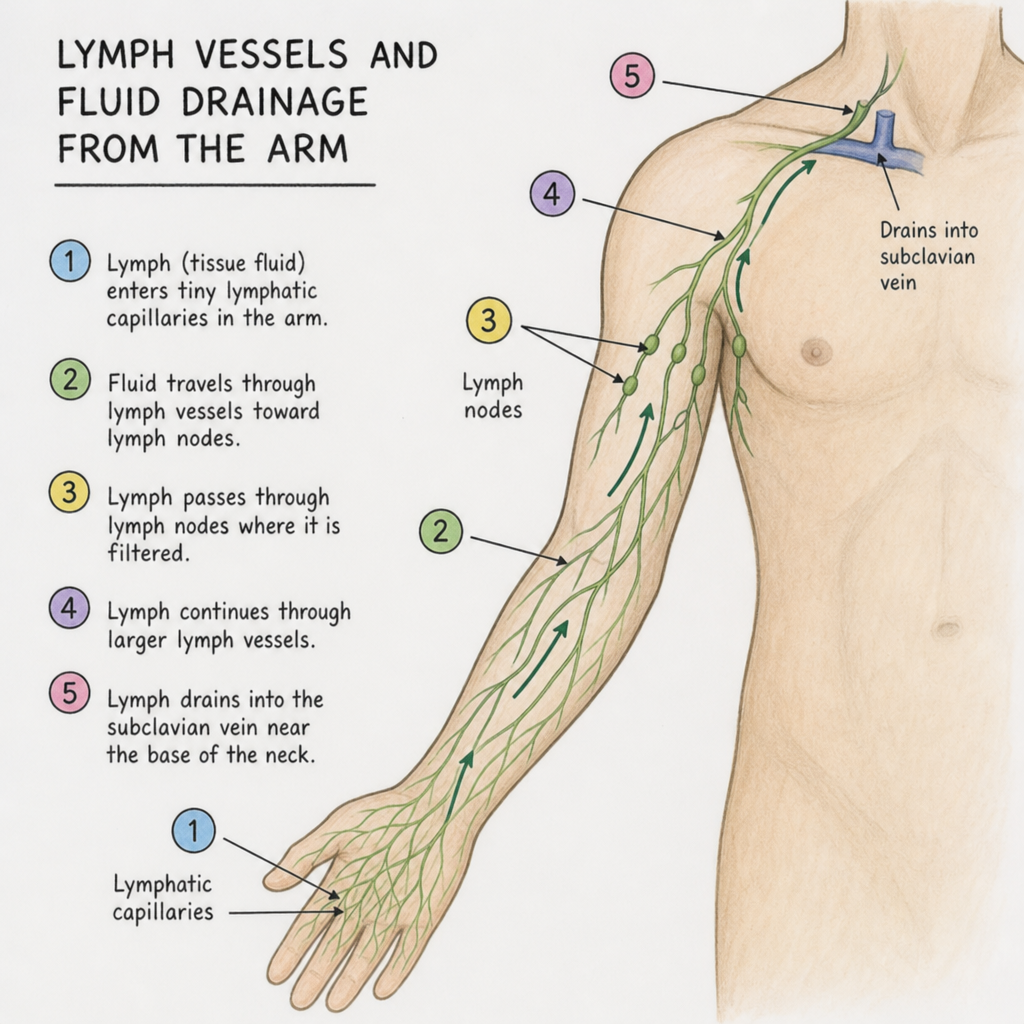
Your lymphatic system normally collects excess fluid from tissues and returns it to circulation. When illness, surgery, or cancer treatment disrupts drainage, fluid can accumulate and cause swelling called lymphedema. Lymph massage therapy aims to help redirect that fluid rather than simply pressing on the swollen area. (my.clevelandclinic.org)
This explains why a therapist might begin somewhere other than the area bothering you. For example, treatment for arm swelling may start around the chest or neck to prepare functioning drainage routes. The sequence should follow your individual anatomy and medical history, not a generic full-body routine. (cancerresearchuk.org)
The benefits that matter most
The most useful way to assess the benefits of lymphatic drainage massage is to connect them with a specific problem. Managing diagnosed swelling is different from booking a relaxing appointment or hoping for a temporary change in appearance. Your goals should shape both the treatment plan and how you judge its value.
Swelling management and everyday comfort
For people with lymphedema, MLD can be one component of treatment intended to reduce swelling and discomfort and improve movement. Those goals matter when an affected limb feels heavy, skin feels tight, or everyday activities become difficult. Treatment aims to improve function as well as appearance. (cancer.org)
However, massage is only one part of the picture. Complete decongestive therapy combines approaches such as compression, exercise, skin care, and manual drainage. If your clinician has prescribed a compression garment, a massage appointment is not a reason to stop wearing it. (cancer.gov)
Support during selected surgical recovery
Some people explore MLD after liposuction or other cosmetic procedures because postoperative swelling can be uncomfortable. UCLA Health notes that preliminary research suggests possible recovery benefits, but more research is needed. That is a reason for a careful discussion with your surgeon—not a promise of faster healing. (uclahealth.org)
Before booking postoperative treatment, ask your surgical team whether it is appropriate, when it may begin, and which areas need protection. Avoid choosing a recovery package solely because it advertises dramatic before-and-after photographs.
Relaxation and temporary cosmetic changes
The gentle approach may feel relaxing, and reduced fluid-related puffiness can temporarily change how an area looks. These effects should not be confused with fat loss or permanent body sculpting. There is no evidence that MLD directly causes weight loss, and a healthy lymphatic system generally does not need massage to perform its normal work. (uclahealth.org)
Does lymphatic drainage massage work?
It can help selected patients, particularly within a broader lymphedema care plan, but results vary and research does not consistently show that adding MLD produces extra swelling reduction. The National Cancer Institute summarizes research in which some outcomes improved while several studies found no significant difference in limb-volume changes. Its role is more nuanced than either “it always works” or “it does nothing.” (cancer.gov)
The distinction between the whole treatment program and massage alone matters. If someone receives compression, exercise guidance, skin care, and MLD together, improvement cannot automatically be credited to massage. Ask your therapist which outcomes they expect the manual technique itself to address. (cancer.gov)
Be especially cautious about claims that treatment flushes unspecified toxins, boosts immunity in otherwise healthy people, permanently removes cellulite, or cures unexplained fatigue. UCLA Health reports no credible evidence for additional detoxification or immune benefits in healthy people. A reassuring experience is valuable, but it does not establish those broader medical claims. (uclahealth.org)
Agree on practical measures of progress instead:
- Swelling: Ask whether consistent measurements are appropriate for your condition.
- Comfort: Track changes in tightness, heaviness, or discomfort during ordinary activities.
- Function: Note whether dressing, walking, or reaching becomes easier.
- Durability: Discuss whether any improvement lasts between appointments and what maintenance involves.
What happens during a lymphatic drainage massage treatment?
During a lymphatic drainage massage treatment, you generally rest while a trained practitioner applies light, slow, rhythmic skin movements in a planned sequence. Positioning depends on the area involved; some people lie down, while head-and-neck treatment may be performed sitting up. The number of appointments is individualized rather than fixed. (cancerresearchuk.org)
Before treatment, be ready to discuss your swelling, relevant diagnoses, surgery, cancer treatment, medications, and current care plan. Ask the practitioner to explain what they intend to do and why. You should also understand which areas will be touched and feel comfortable declining or pausing any part of the appointment.
Ask how much of the booked time is assessment versus hands-on treatment. Confirm whether the service is medical MLD or a broader spa massage marketed as “lymphatic.” If a package includes tools or vigorous techniques, ask how those relate to your needs rather than assuming every add-on is necessary.
For lymphedema, the appointment may finish with bandaging or a compression garment. Follow-up should include checking changes in swelling and tissue condition, not simply recommending another appointment without reviewing progress. (cancerresearchuk.org)
Safety comes before scheduling
Lymphatic drainage is not appropriate for every type of swelling. Blood clots, active infection, cellulitis, fever, heart disease, and kidney failure are among the conditions that require avoiding treatment or medical assessment before proceeding. Practitioners also avoid working directly over cancerous tissue or skin damaged by radiation. (my.clevelandclinic.org)
A history of cancer is not automatically a blanket ban: cancer-related lymphedema is a recognized reason for specialist care. The important distinction is between appropriately coordinated treatment and an unscreened massage appointment. Tell both your cancer care team and therapist about your history. (cancer.gov)
New or worsening swelling deserves assessment rather than an assumption that your lymph needs “unblocking.” Contact your healthcare team promptly for redness, heat, increasing pain, fever, or other signs of infection. Do not massage an area that may have cellulitis. (cancer.org)
Some people report fatigue, headache, or nausea after treatment. These symptoms are not proof that toxins are leaving the body; tell your healthcare provider if they occur rather than pushing through further sessions. (my.clevelandclinic.org)
Finding a qualified local therapist
Searching “manual lymphatic drainage massage near me” or “manual lymph drainage massage near me” can help you build a shortlist, but proximity should not be the deciding factor. For medical swelling, ask your healthcare team about a certified lymphedema therapist or a practitioner specifically trained in MLD. General massage experience alone does not establish specialist training. (uclahealth.org)
Use the first conversation to clarify suitability and costs:
- Training: What MLD education have you completed, and do you treat my condition?
- Coordination: Will you work with my surgeon, oncology team, or referring clinician?
- Assessment: How will you screen for risks and measure progress?
- Price: What does the initial visit cost, and are follow-ups, garments, or supplies separate?
- Coverage: Can you provide the information my insurer needs to check benefits?
- Scheduling: When will we review whether treatment is helping before committing to more visits?
Request a written estimate rather than relying on a national price range. Confirm appointment length, cancellation terms, and any referral requirements before paying for a package. Treat guaranteed results as a reason to ask more questions, not as evidence of expertise.
Make the plan useful between appointments
There is no universal schedule for everyone. Your specialist should tailor treatment frequency to your swelling and needs, then adjust it as your response becomes clearer. Ask when reassessment will happen and what would justify continuing, changing, or stopping the approach. (cancerresearchuk.org)
Between appointments, follow prescribed compression, protect and moisturize your skin, and use exercises recommended by your care team. If self-massage is appropriate, have your therapist teach you the technique rather than copying a generic routine. These habits belong within ongoing lymphedema management, not an aggressive cleansing regimen. (cancer.org)
The takeaway: choose lymphatic drainage for a clear goal, with appropriate screening and realistic expectations. A worthwhile plan explains what improvement means, how it will be assessed, and what you can do safely between visits.
Ready to Learn More or Schedule a Session?
If you are experiencing swelling or recovering from surgery, consult your healthcare provider or reach out to a certified lymphedema therapist to discuss whether manual lymphatic drainage is right for your personalized care plan. Contact us today to schedule your consultation!