Prenatal Massage in Whitby: A Clinical Resource for Pregnancy Wellness
What is Antenatal Massage and How Does it Differ from Traditional Therapy?
Pregnancy is a period of profound physiological and structural change. As your body adapts to accommodate new life, you may experience a range of new physical stresses. Antenatal massage, also known as prenatal massage, is a specialized form of registered massage therapy (RMT) tailored specifically to the unique needs of an expectant mother. It is a clinical discipline focused on supporting the body’s transformation, alleviating discomfort, and promoting overall wellness for both you and your baby.
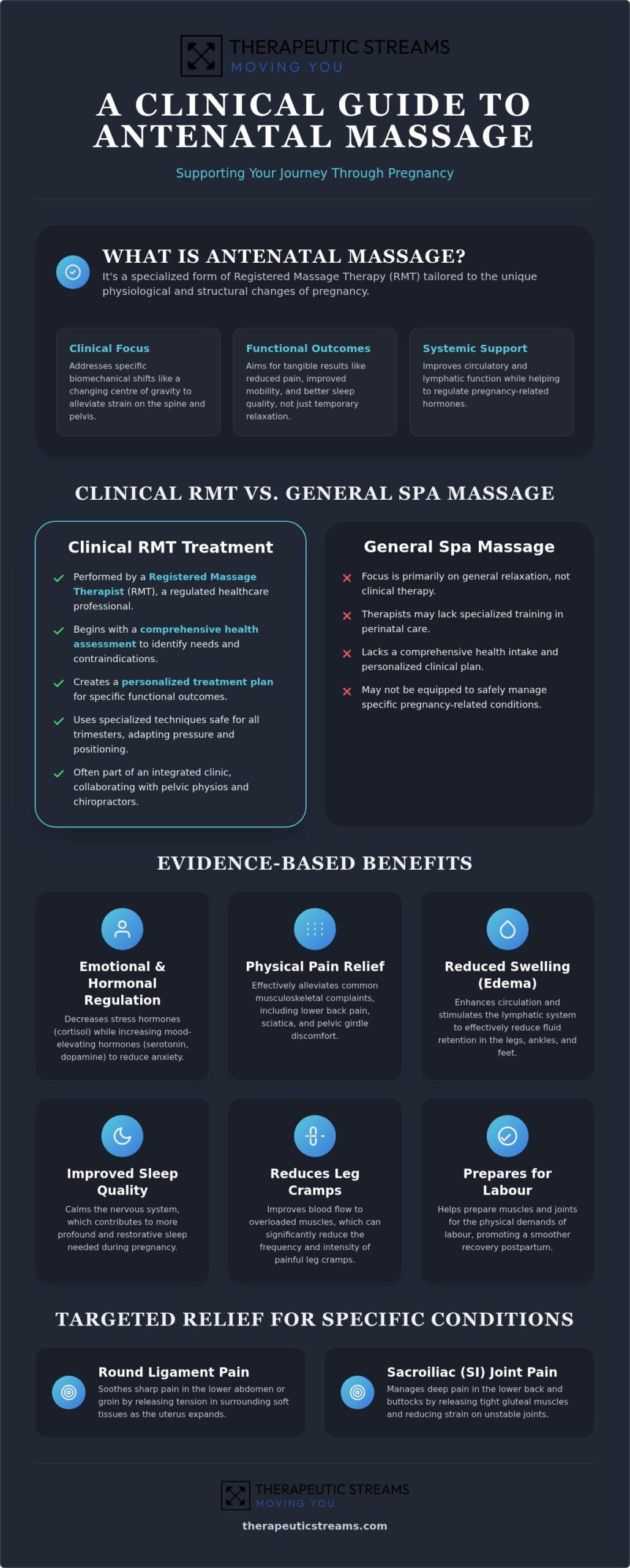
While any massage can feel relaxing, a clinical antenatal massage goes far beyond simple stress relief. Its primary focus is on addressing the specific anatomical changes of pregnancy, including hormone regulation, improved circulatory and lymphatic function, and enhanced joint stability. In Canadian healthcare, the term ‘antenatal’ (meaning ‘before birth’) is often used interchangeably with ‘prenatal,’ reflecting a clinical approach to care throughout the entire pregnancy journey. In Ontario, this care is administered by a Registered Massage Therapist (RMT)—a regulated healthcare professional with extensive training in anatomy, physiology, and specialized therapeutic techniques, including those required for safe and effective perinatal care.
The Clinical Focus of Pregnancy Bodywork
From the first trimester onward, your body undergoes a remarkable transformation. Your centre of gravity shifts forward, placing significant strain on the lumbar spine and pelvic girdle, which often leads to lower back pain. A clinically trained RMT understands these biomechanical shifts and applies targeted techniques to release tension in overloaded muscles like the hip flexors, glutes, and paraspinal muscles. Furthermore, antenatal massage directly addresses common pregnancy-related conditions such as edema (swelling) and nerve compression syndromes like carpal tunnel or sciatica. Therapists adapt their pressure, positioning, and techniques to protect both maternal and foetal health, ensuring every treatment is both safe and effective.
Spa Massage vs. Clinical RMT Treatments
The difference between a generic spa massage and a clinical treatment from a Registered Massage Therapist is significant, especially during pregnancy. Your journey at a multi-disciplinary clinic like Therapeutic Streams begins with a comprehensive assessment and a thorough review of your health history. This is not a formality; it is a critical step that allows your RMT to understand your specific needs, identify any potential contraindications, and create a personalized treatment plan. The goal is not just temporary relaxation but achieving functional outcomes—such as improved mobility, reduced pain, and better sleep quality. Choosing an integrated clinic provides a level of security and expertise that a day spa simply cannot match, offering a collaborative environment where your RMT works alongside other professionals like pelvic floor physiotherapists and chiropractors.
The Evidence-Based Benefits of Antenatal Massage for Durham Mothers
The advantages of incorporating antenatal massage into your pregnancy wellness plan are supported by a growing body of clinical evidence. Regular treatments can significantly improve your physical and emotional well-being during this transformative time. Massage therapy is shown to decrease levels of stress hormones like cortisol while simultaneously increasing ‘feel-good’ hormones such as serotonin and dopamine, which helps regulate mood and reduce anxiety.
For mothers across the Durham Region, this translates into tangible relief from the most common musculoskeletal complaints of pregnancy, including sciatica, persistent lower back pain, and pelvic girdle discomfort. By enhancing circulation and stimulating the lymphatic system, massage effectively reduces the swelling (edema) that often occurs in the legs, ankles, and feet. This physical relief contributes to profoundly improved sleep quality, calming the nervous system and allowing your body the deep rest it needs. Ultimately, regular antenatal massage helps prepare your muscles and joints for the physical demands of labour and supports a smoother, more comfortable postpartum recovery.
Physical Relief for Common Pregnancy Ailments
A skilled RMT can provide targeted relief for the most common discomforts of pregnancy. As your body changes, you might develop the characteristic ‘pregnancy waddle,’ a gait pattern caused by tight hip flexors and shifting pelvic alignment. Massage techniques focused on releasing these muscles can restore more natural movement and reduce associated pain. Similarly, improved blood flow from massage can significantly reduce the frequency and intensity of painful leg cramps. For mothers experiencing swelling, massage therapy supports wellness by mechanically assisting the movement of interstitial fluid into the lymphatic system, where it can be naturally processed and eliminated. Beyond these common concerns, antenatal massage is highly effective for managing more specific and acute conditions. Round ligament pain, a sharp pain felt in the lower abdomen or groin as the uterus expands, can be soothed by releasing tension in the surrounding soft tissues. Likewise, sacroiliac (SI) joint pain, which presents as deep pain in the lower back and buttocks due to ligament laxity, is effectively managed through techniques that release tight gluteal and piriformis muscles, reducing strain on the unstable joint.
Emotional and Hormonal Regulation
The connection between a mother’s emotional state and the foetal environment is well-established. High levels of maternal stress can impact foetal development, making stress management a critical component of prenatal care. Antenatal massage is a powerful, non-pharmacological tool for calming the nervous system and fostering a sense of peace and well-being. This proactive approach to emotional health can also serve as a preventative measure for postpartum depression, helping to establish healthy coping mechanisms and hormonal balance before the baby arrives. As your body undergoes rapid physical changes, massage therapy offers a unique opportunity to build a positive connection with your new form, fostering acceptance and appreciation during a time that can otherwise feel overwhelming.
Safety Protocols: Is Massage Safe During All Trimesters?
One of the most common questions from expectant mothers is about the safety of massage, particularly during the first trimester. With a properly trained and registered RMT, antenatal massage is safe throughout all stages of pregnancy. The “first trimester debate” often stems from a lack of specialized training, not inherent risk. A clinical expert understands the nuances of early pregnancy and can adapt the treatment to focus on relaxation, stress reduction, and nausea relief without any risk to the developing foetus.
As the pregnancy progresses, positioning becomes a key safety consideration. After the first trimester, it is no longer safe or comfortable to lie face down. Treatments are performed with the mother in a side-lying or semi-reclined position, supported by a system of professional pillows and bolsters. This specialized setup ensures proper spinal alignment, takes pressure off the low back, and supports the uterus. Most importantly, it prevents compression of the inferior vena cava, a major blood vessel that returns blood from the lower body to the heart. In certain cases, such as high-risk pregnancies involving conditions like pre-eclampsia or placenta previa, medical clearance from your doctor or midwife is essential before beginning Massage Therapy.
Trimester-Specific Modifications
A professional antenatal massage is not a one-size-fits-all treatment. Your RMT will modify the session based on your specific trimester and symptoms:
- First Trimester: The focus is on gentle, restorative work. Techniques are aimed at reducing stress, alleviating headaches, managing nausea, and promoting deep relaxation to combat fatigue.
- Second Trimester: As the baby grows and your posture begins to change, the treatment can become more specific. Your RMT will begin to address emerging structural shifts, focusing on relieving strain in the lower back, hips, and shoulders.
- Third Trimester: In the final stage, treatments concentrate on managing significant discomfort. There is a heavy focus on creating space and mobility in the hips and pelvis, releasing tension around the rib cage to improve breathing capacity, and reducing swelling in the lower extremities.
The Side-Lying Position Explained
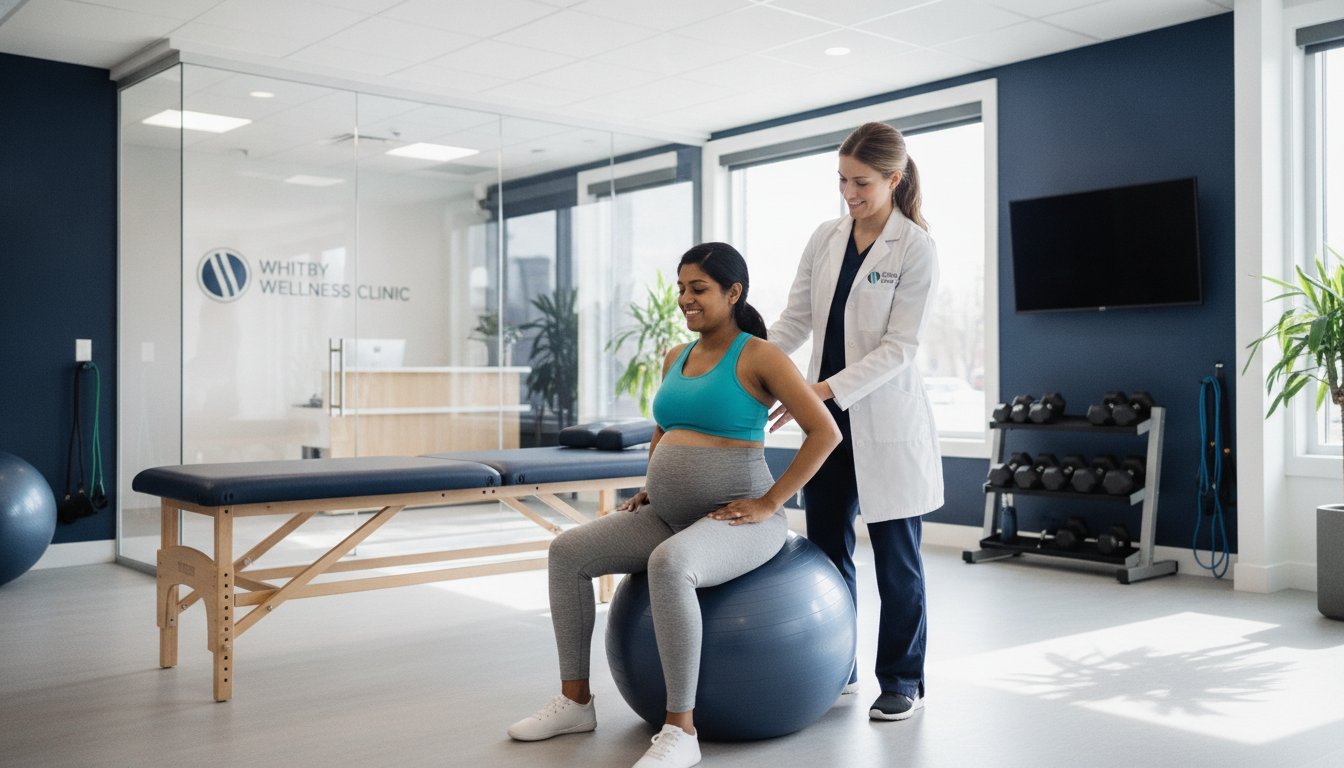
At our Whitby clinic, we exclusively use the side-lying position for antenatal massage, and for good reason. Some places may offer tables with a ‘stomach-hole’ cutout, but these can cause significant problems by allowing the abdomen to hang unsupported. This position can increase intrauterine pressure and cause a passive stretch on the uterine ligaments, leading to strain and instability. In contrast, the side-lying position, when executed with proper bolstering, provides complete support for the uterus and spine. A carefully placed system of pillows prevents pressure on the vena cava, ensures the pelvis remains in a neutral position, and allows the mother to fully relax, guaranteeing maximum comfort and safety in the final weeks of pregnancy.
Integrating Massage with Pelvic Floor Physio and Chiropractic Care
While antenatal massage is a powerful therapy on its own, its benefits are amplified when integrated into a comprehensive, multi-disciplinary care plan. At Therapeutic Streams, we recognize that the body works as a complete system. Releasing a tight muscle with massage is effective, but if the underlying joint is misaligned, the tension will likely return. This is why we champion a team-based approach to prenatal wellness.
The synergistic effect of combining RMT with pelvic floor physiotherapy and chiropractic care creates a robust support system for your body. For instance, in managing Symphysis Pubis Dysfunction (SPD)—a common condition causing sharp pelvic pain—a chiropractor can help align the pelvic bones, an RMT can release the tight adductor and gluteal muscles pulling on the joint, and a pelvic floor physio can provide exercises to stabilize it. This integrated approach allows us to create a comprehensive ‘Birth Prep’ plan, ensuring your body is balanced, mobile, and strong for the journey ahead.
The Role of Pelvic Floor Physiotherapy
Sometimes, deep pelvic girdle pain or issues like incontinence are rooted in the function of the pelvic floor muscles, an area that massage therapy alone cannot fully address. A pelvic floor physiotherapist conducts an internal and external assessment to identify muscle weakness, over-activity, or coordination issues. They provide targeted exercises to prepare these crucial muscles for the immense stretching required during delivery, which can help reduce the risk of tearing and aid in postpartum recovery. Addressing pelvic health before birth is one of the most proactive steps you can take for a smoother recovery.
Chiropractic Support for the Expectant Spine
Chiropractic care during pregnancy focuses on maintaining the structural integrity of the spine and pelvis. As the hormone relaxin softens your ligaments, your joints become less stable, making gentle and precise adjustments crucial for maintaining alignment and reducing pain. Many chiropractors specializing in prenatal care are trained in the Webster Technique, a specific analysis and adjustment protocol designed to reduce sacroiliac joint dysfunction and improve pelvic balance. By working with chiropractors in Whitby, our RMTs can ensure that both the soft tissues and the underlying skeletal structure are in harmony, often reducing the need for pain medication and creating an optimal environment for your baby’s positioning.
What to Expect at Your Whitby Antenatal Massage Appointment
Your first antenatal massage appointment is a collaborative and thorough process designed to ensure your complete safety and comfort. It begins with a detailed consultation where you and your RMT will discuss your health history, your due date, any complications, and the specific aches or pains you are experiencing. This is your opportunity to share your goals for the treatment, whether it’s relief from sciatica, better sleep, or simply a moment of calm.
Following the consultation, your therapist will conduct a brief physical assessment. This may involve observing your posture, gait (how you walk), and checking the range of motion in key joints like your hips and shoulders. Based on this information, your RMT will customize your treatment for that day, selecting the appropriate techniques, pressure, and focus areas to meet your needs. After the hands-on portion of your session, you will receive personalized aftercare advice, which may include gentle stretches or postural tips to help you maintain the results between visits.
Your First Visit to Therapeutic Streams
When you arrive at our integrated health clinic in Whitby, our priority is to make you feel supported and cared for. Our clinical intake process for new expectant patients involves a comprehensive health history form and a one-on-one discussion with your RMT to ensure we have a complete picture of your pregnancy journey. For the treatment itself, you should dress down to your level of comfort; you will be professionally draped with sheets at all times, with only the area being worked on exposed. Our team will guide you on how to position yourself safely and comfortably on the table with our supportive bolstering system.
Booking and Insurance in Ontario
Antenatal massage is performed by a Registered Massage Therapist and is therefore covered by most extended workplace benefit plans in Ontario. We recommend checking your specific plan for details on coverage amounts. The ideal frequency of care varies for each individual; some women benefit from bi-weekly appointments in the third trimester, while others find monthly sessions sufficient for maintenance. At our clinic, we offer direct billing for many insurance providers, making the process seamless for residents of Whitby, Oshawa, and Ajax. Our administrative team is happy to help you navigate your benefits and schedule appointments that support your wellness throughout your pregnancy.
Frequently Asked Questions About Antenatal Massage
Is antenatal massage safe during the first trimester of pregnancy?
Yes, when performed by a Registered Massage Therapist with specialized training in prenatal care, massage is safe during the first trimester. An expert therapist will avoid deep abdominal work and certain acupressure points while focusing on techniques that safely alleviate common first-trimester symptoms like fatigue, nausea, and stress.
Can massage therapy help with pregnancy-related sciatica?
Absolutely. Sciatic-like pain during pregnancy is often caused by tight piriformis and gluteal muscles compressing the sciatic nerve. An RMT can use specific techniques to release these muscles, providing significant relief from the sharp, radiating pain down the leg.
Do I need a doctor’s note to get a prenatal massage in Ontario?
For a standard, healthy pregnancy, you do not need a doctor’s note to see an RMT. However, if you have a high-risk pregnancy or a specific medical condition (such as pre-eclampsia, gestational diabetes, or placenta previa), we require clearance from your doctor or midwife to ensure the treatment is safe for you and your baby.
How is a pregnancy massage different from a regular deep tissue massage?
The key differences are positioning, pressure, and areas of focus. Pregnancy massage is performed in a side-lying position with supportive pillows instead of face-down. Pressure is modified to be gentle yet effective, avoiding deep work on certain areas of the legs to prevent dislodging blood clots. The focus is on pregnancy-specific issues like low back pain, pelvic discomfort, and swelling, rather than general muscle tension.
Will antenatal massage help reduce the swelling in my ankles and feet?
Yes. Swelling, or edema, is common due to increased blood volume and pressure from the growing uterus on major veins. Antenatal massage uses gentle, rhythmic strokes directed toward the heart to improve circulation and stimulate the lymphatic system, which helps drain excess fluid and reduce swelling.
What should I wear for my prenatal massage appointment?
You can wear whatever you find comfortable to the clinic. During the massage, you will undress to your level of comfort. You will be covered by a sheet and blanket at all times, and only the area being treated will be undraped. Your privacy and comfort are our top priorities.
Can I get a massage if I am past my due date to help induce labour?
While some people believe that stimulating certain acupressure points can help induce labour, the scientific evidence for this is inconclusive. A massage post-due date can be incredibly beneficial for reducing stress and releasing physical tension, which may help your body relax and prepare for labour, but it should not be considered a reliable method of induction.
Is it safe to have a massage if I have a high-risk pregnancy?
This depends entirely on your specific condition. For some high-risk pregnancies, massage is contraindicated. For others, it can be safely performed with specific modifications. It is essential to get clearance from your primary healthcare provider (doctor or midwife) before booking an appointment if you have a high-risk pregnancy.