Yoga and Pilates for Rehab: An Integrated Approach to Recovery in Whitby
What if the missing link in your recovery isn’t more rest, but a targeted, clinical approach to movement that bridges the gap between the treatment table and the playing field? Many patients in Whitby reach a plateau where traditional physiotherapy feels like it’s reached its limit, leaving them with lingering stiffness or a persistent fear of re-injury. Utilizing yoga and pilates for rehab within a professional clinical setting allows you to move beyond these frustrating hurdles. It’s difficult to feel stuck when you’re so close to returning to the activities you love, especially when you’re unsure if your body is truly ready for the demands of sport or daily life.
Discover how clinical yoga and pilates integrate with professional care to accelerate your recovery and build lasting physical resilience. By combining evidence-based assessments with these specialized movement disciplines, we can address musculoskeletal imbalances and neurofunctional patterns that often go overlooked. This article provides a clear plan to help you understand which practice suits your specific injury and how an integrated approach can transition you from discomfort to peak performance. You’ll gain the insights needed to move beyond basic recovery and achieve a level of strength that protects you against future setbacks.
Key Takeaways
- Learn why active movement is essential for preventing re-injury and moving past the plateaus often found in passive-only therapy.
- Discover how the strategic application of yoga and pilates for rehab improves your proprioception to restore natural, fluid biomechanics.
- Identify if yoga’s emphasis on flexibility or pilates’ focus on core stabilization is the most effective approach for your specific injury.
- Understand how a team-based approach combines chiropractic adjustments and physiotherapy with mindful movement for a more comprehensive recovery.
- Get a clear plan for starting your journey in Whitby, from your initial clinical assessment to choosing the right class format for your needs.
The Role of Yoga and Pilates in Modern Clinical Rehabilitation
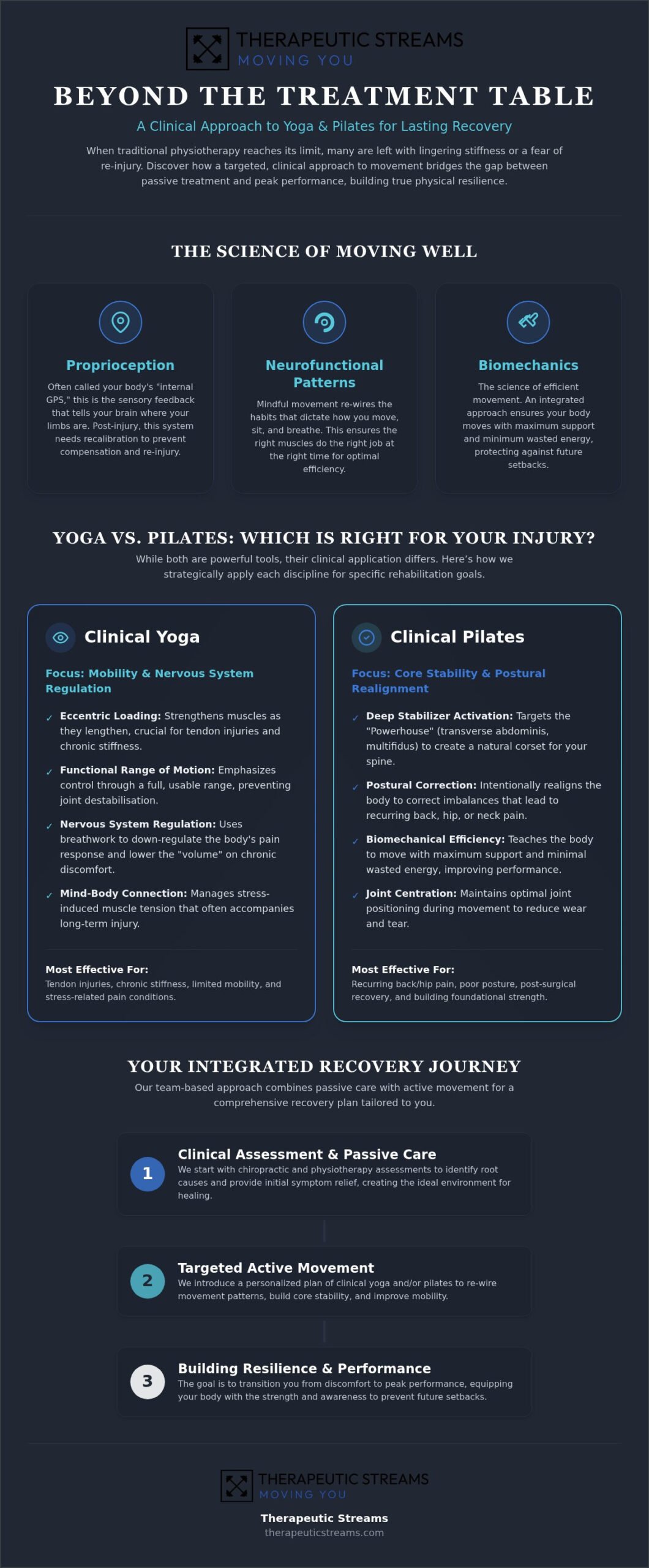
Modern rehabilitation has evolved far beyond the treatment table. While passive therapies like chiropractic adjustments or massage therapy are essential for reducing acute symptoms, they often fall short when it comes to long-term prevention. Passive care creates the environment for healing, but active movement builds the resilience needed to stay well. This is where The Role of Yoga in Modern Clinical Rehabilitation becomes a vital component of a patient’s journey. By defining yoga and pilates as therapeutic movement modalities rather than just general fitness, we bridge the gap between clinical intervention and the demands of daily life. This shift empowers you to take an active role in your recovery, aligning with Canadian musculoskeletal standards that prioritize patient agency and functional outcomes.
When we utilize yoga and pilates for rehab, we aren’t just looking at flexibility or core strength. We are looking at the neurofunctional patterns that dictate how you move, sit, and breathe. Many patients in Whitby find that they plateau in traditional settings because their program lacks the repetitive, mindful movement required to “re-wire” these habits. An integrated approach ensures that every stretch and every pulse is rooted in a professional clinical assessment.
Yoga as a Tool for Mobility and Nervous System Regulation
Clinical yoga focuses on eccentric loading, which is the process of strengthening a muscle as it lengthens. This is particularly effective for those recovering from tendon injuries or chronic stiffness. Unlike static stretching, which can sometimes destabilize a healing joint, yoga emphasizes control throughout the entire functional range of motion. It also serves as a powerful regulator for the nervous system. By incorporating specific breathwork, you can down-regulate the body’s pain response and lower the “volume” on chronic discomfort. This mind-body connection isn’t just a philosophical concept; it’s a physiological necessity for managing the stress-induced muscle tension that often accompanies a long-term injury.
Pilates for Core Stability and Postural Realignment
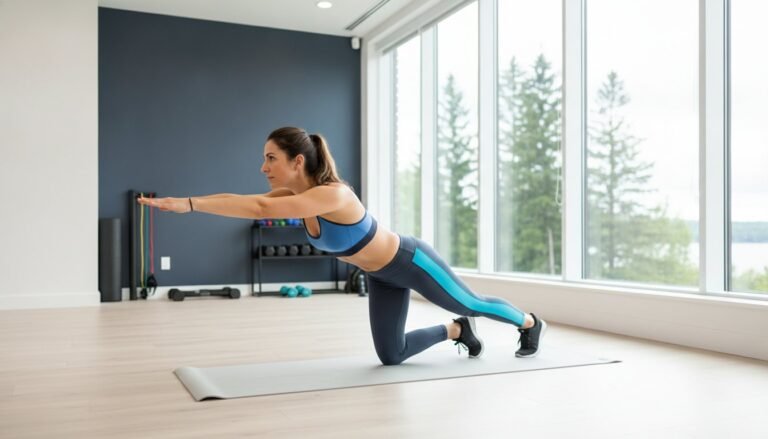
Pilates provides the structural foundation for recovery by targeting the deep stabilizers of the spine and pelvis. We focus on the multifidus and transverse abdominis, the muscles that act as your body’s natural corset. In a clinical rehab context, the “Powerhouse” refers to the coordinated effort of these stabilizers to maintain joint centration during movement. By using controlled resistance, pilates helps correct the postural misalignments that lead to recurring back or hip pain. It’s an intentional practice. Every movement is designed to improve biomechanical efficiency, ensuring that when you return to sports or your career, your body is moving with maximum support and minimum wasted energy. Using yoga and pilates for rehab in this way transforms your recovery from a temporary fix into a lasting lifestyle change.
Core Stability and Biomechanics: The Science of Moving Well
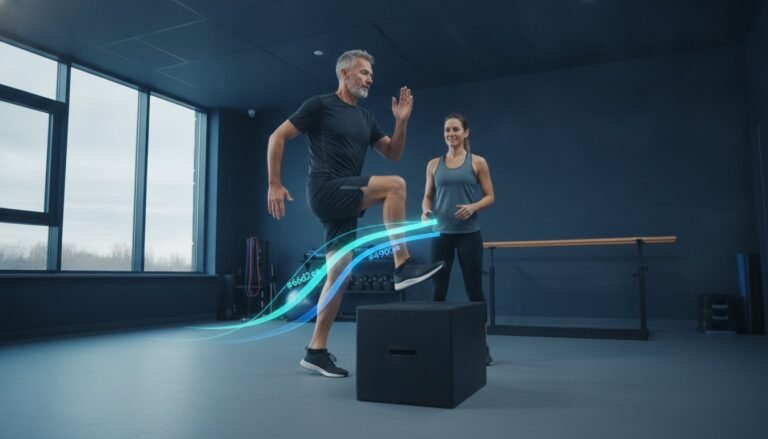
The foundation of a successful recovery lies in how your body perceives and organizes movement. Proprioception, often described as your internal GPS, is the sensory feedback that tells your brain where your limbs are in space. Following an injury, this system often becomes inaccurate, leading to compensations that over-stress healthy joints. When we implement yoga and pilates for rehab, we focus on recalibrating these signals. By improving muscle firing patterns, we ensure that the right muscles are doing the right job at the right time. This balanced distribution of force is essential for spinal decompression, as mindful movement creates the necessary space between vertebrae to relieve pressure on sensitive nerves.
Research indicates that integrating these movement disciplines is highly effective for long-term health. Studies have shown that Yoga vs. Pilates for Rehab approaches can be just as impactful as traditional physical therapy for managing chronic conditions like back pain. By focusing on the science of biomechanics, we help you transition from simply “getting through” a movement to mastering it with clinical precision.
Neurofunctional Benefits of Mindful Movement
Early rehabilitation often requires a shift in tempo. While many athletes are eager to return to fast and heavy training, the brain often maintains fear-avoidance patterns that protect the injured site long after the tissue has healed. Slow, controlled movements used in yoga and pilates for rehab help re-establish clear communication between the brain and injured tissues. This deliberate pace allows you to recognize where movement might be restricted without triggering a pain response. It’s about teaching your nervous system that movement is safe again, which is a critical step in moving past a recovery plateau.
Improving Posture to Manage Chronic Tension
For many Whitby professionals, chronic tension isn’t the result of a single event but the cumulative effect of tech neck and sedentary office fatigue. Spending hours at a desk leads to a collapse of the anterior chain and an over-stretching of the posterior muscles. Pilates reformers and specific yoga props, such as blocks or bolsters, act as tactile guides to assist in proper alignment. These tools help you build a functional corset of deep core muscles that support the lower back throughout the day. Instead of relying on external braces, you develop the internal strength to maintain an upright, pain-free posture. If you’re ready to address the root cause of your stiffness, you can explore our integrated movement classes to see how we bridge the gap between clinical care and daily wellness.
Yoga vs. Pilates for Rehab: Which is Right for Your Injury?
Choosing between these two disciplines depends on your clinical presentation and specific recovery goals. Yoga is often superior for addressing global flexibility and stress-induced muscle tension. It excels in down-regulating the nervous system through sustained holds and rhythmic breathing. Conversely, Pilates is a powerhouse for targeted strengthening and post-surgical stabilization. It focuses on the mechanical precision of movement, using resistance to challenge the body’s structural integrity. Understanding which path to take requires an honest assessment of your current stage of healing.
In the acute phase of an injury, you might need the gentle, restorative aspects of yoga to manage pain and maintain circulation. As you transition into the chronic phase, the progressive resistance of Pilates helps rebuild the load-bearing capacity your tissues need for daily life. For many athletes in Whitby, a hybrid approach to yoga and pilates for rehab yields the most resilient results. By combining the mobility of one with the stability of the other, you create a body that isn’t just flexible, but also strong enough to support that new range of motion.
Best Modalities for Common Musculoskeletal Conditions
For lower back pain and sciatica, Pilates core work is frequently the essential ingredient. Its focus on the transverse abdominis and multifidus helps take the pressure off the lumbar discs. If you’re dealing with shoulder impingement or neck pain, yoga’s emphasis on functional range of motion can release the tight anterior structures that cause rounded shoulders. For those focusing on pelvic floor health, integrating specialized pelvic floor physiotherapy with gentle, mindful movement ensures that the deep core and diaphragm are working in harmony to support the pelvic bowl.
Safety First: When to Modify or Avoid Certain Movements
Safety is the primary concern when utilizing yoga and pilates for rehab. Certain yoga poses, such as extreme spinal flexion or deep twists, can be contraindicated for patients with active disc herniations or osteoporosis. Similarly, individuals with joint hypermobility must modify Pilates exercises to avoid over-extending, focusing instead on muscular control within a safe mid-range. We never recommend jumping into a group class while in pain without first undergoing a professional clinical assessment. This ensures your movement plan is tailored to your specific biomechanical needs rather than a generic fitness template, protecting you from the risk of re-injury.
Integrating Movement with Chiropractic and Physiotherapy
Real recovery happens when clinical treatments and active movement intersect. At Therapeutic Streams, we utilize a team-based approach where your chiropractor, physiotherapist, and movement instructor are in constant communication. Chiropractic adjustments work to “clear the path” by restoring joint mechanics and reducing nerve interference. However, an adjustment is often a temporary correction unless the surrounding musculature is trained to support that new position. This is why we integrate yoga and pilates for rehab into our treatment plans. While physiotherapy provides the initial evidence-based assessment and diagnostic roadmap, yoga and pilates provide the high-volume repetition necessary to solidify those clinical gains.
Transitioning from one-on-one clinical care to group fitness is a pivotal moment in your recovery journey. We guide you through this process to ensure you don’t feel overwhelmed or risk a setback. By moving into small group classes, you maintain the professional oversight of a clinical environment while building the independence needed for long-term health. This progression ensures that the movement patterns you learn in a controlled setting eventually become second nature in your daily life.
The Synergy of Adjustment and Alignment
It’s significantly easier to hold a chiropractic adjustment when you have a strong, responsive core. Without that muscular support, the body often reverts to old, dysfunctional patterns shortly after a session. Similarly, using yoga to maintain the mobility gained during a Registered Massage Therapy appointment ensures that your tissues don’t simply tighten up again the moment you leave the clinic. Integrated care is the gold standard for sports rehab in 2026. By combining these modalities, we address both the structural alignment and the muscular control required to maintain it.
Customized Rehab Plans for Durham Region Athletes
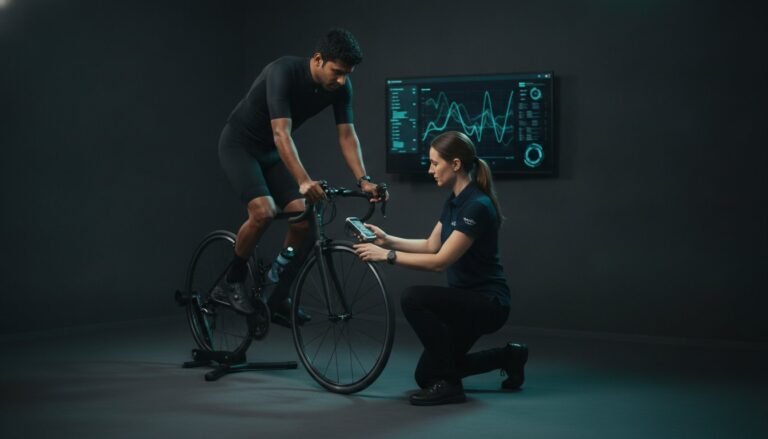
We don’t believe in one-size-fits-all recovery. A hockey player in Oshawa dealing with hip impingement requires a vastly different movement strategy than a cyclist in Whitby struggling with lower back fatigue. For our local cycling community, we can even use BikeFIT data to inform specific pilates exercises that target your unique biomechanical needs on the saddle. By tailoring yoga and pilates for rehab to the specific demands of local sports leagues, we help prevent the common injuries that keep Durham Region athletes on the sidelines. If you’re ready to see how a collaborative team can accelerate your progress, you can book an assessment with our integrated team today to begin your personalized path to wellness.
Starting Your Recovery Journey at Therapeutic Streams
Embarking on a new recovery path requires more than just enthusiasm; it requires a structured clinical framework. At Therapeutic Streams Sport Rehab, your first step isn’t just a workout. It’s a comprehensive intake designed to ensure that yoga and pilates for rehab is safe and effective for your specific condition. We prioritize a transition that respects your body’s current limitations while pushing for functional progress. This methodical approach helps eliminate the guesswork and reduces the anxiety often associated with returning to movement after an injury.
During your first clinical movement session, you should wear comfortable athletic clothing that allows for a full range of motion. We provide the necessary props and equipment, though you’re welcome to bring your own mat if you prefer. Preparation also involves a mental shift. You aren’t here to “grind” through pain; you’re here to listen to your body and refine how it functions. We track your progress through objective measures, such as improvements in joint mobility and the reduction of compensatory movement patterns, ensuring every session moves you closer to your goals.
Choosing between private sessions and small group classes is a decision we make together based on your clinical needs. Private sessions allow for a high degree of personalization, which is often necessary for those in the early stages of post-surgical recovery or those with complex, multi-joint issues. These one-on-one environments ensure you receive undivided attention to master the foundational movements of yoga and pilates for rehab. Once you’ve established a stable baseline, transitioning to our small group classes provides a supportive community environment that encourages consistency. These classes remain small enough that our instructors can provide real-time corrections, maintaining the clinical integrity of your movement.
Our Assessment-Driven Approach in Whitby
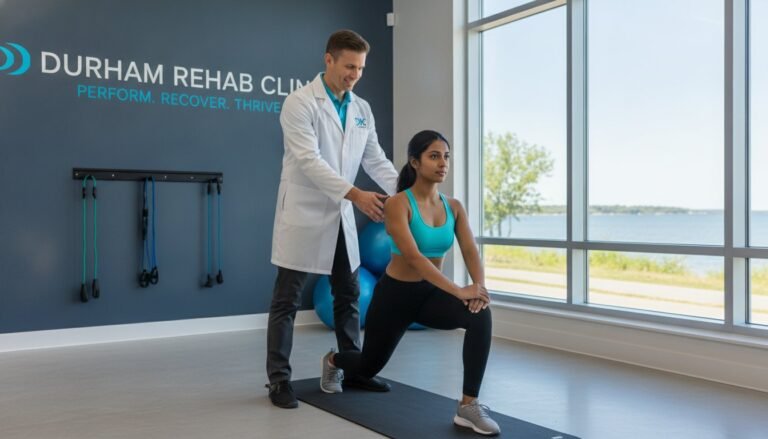
Our chiropractors and physiotherapists conduct a thorough screening before you join any class. This step is vital because it allows us to identify specific movement compensations that might otherwise lead to re-injury. We look at how you squat, how you rotate, and how you breathe. By setting realistic milestones during this phase, we create a roadmap that celebrates small wins on the way to full recovery. This assessment ensures that whether you choose private sessions for focused stabilization or small group classes for long-term maintenance, your program is rooted in clinical reality.
Booking Your First Session
We’ve streamlined our process to make accessing professional care as simple as possible. You can use our online booking system to schedule your initial clinical assessment and subsequent classes at your convenience. To further ease the process, we offer direct billing options for most major Ontario health insurance providers. This allows you to focus entirely on your healing journey rather than administrative hurdles. Our team acts as your advocate, providing the expert guidance needed to thrive. Book your clinical assessment at Therapeutic Streams Sport Rehab today to experience a more integrated, professional approach to recovery.
Reclaiming Your Movement Potential through Integrated Care
Transitioning from pain to performance requires more than just rest; it demands a strategic shift in how you move and stabilize your body. Utilizing yoga and pilates for rehab allows you to move beyond the limitations of passive therapy and build the functional strength necessary to prevent re-injury. You’ve seen how proprioception serves as your internal GPS and why a clinical assessment is the essential first step in any movement program. This evidence-based approach ensures that every stretch and pulse is rooted in your specific recovery needs rather than a generic fitness template.
Our integrated team of Chiropractors, Physiotherapists, and Registered Massage Therapists works collaboratively to ensure your recovery is seamless and professional. We prioritize one-on-one, assessment-driven care that respects your unique biomechanical profile. Conveniently located for residents in Whitby, Oshawa, and Ajax, we are dedicated to helping you return to the sports and daily activities you love with confidence. Begin your personalized recovery plan at Therapeutic Streams. Your journey toward pain-free movement starts with a single, informed step.
Frequently Asked Questions
Is yoga or pilates better for chronic lower back pain?
Both modalities offer distinct advantages for chronic lower back pain. Pilates focuses on the deep stabilizers like the transverse abdominis to support the lumbar spine. Yoga emphasizes functional range of motion and down-regulating the nervous system’s pain response. The choice depends on whether your pain stems from instability or restricted mobility. Our team uses a clinical assessment to determine which approach within yoga and pilates for rehab will provide you with the most effective long-term relief.
Can I do yoga or pilates if I have a herniated disc?
You can safely practice these disciplines with a herniated disc, provided you have professional oversight. The key is avoiding extreme spinal flexion or deep twists that increase intradiscal pressure. Instead, we focus on maintaining a neutral spine and building the muscular support needed to protect the affected area. By using yoga and pilates for rehab under the guidance of our clinical team, you learn to move safely without aggravating your symptoms or risking a setback.
Do I need a referral from a doctor to start rehab-focused classes in Whitby?
You don’t need a formal doctor’s referral to begin rehab-focused classes at our Whitby clinic. We operate as a direct-access facility, meaning you can book your initial assessment with our chiropractors or physiotherapists immediately. While some extended health insurance providers in Ontario might require a note for reimbursement, we can help you navigate these requirements. Our internal screening ensures your movement plan is clinically sound and tailored to your specific musculoskeletal health needs from day one.
How many times a week should I practice yoga or pilates for injury recovery?
Most patients see the best results by practicing two to three times per week. Consistency is more important than intensity when you’re in the recovery phase. This frequency allows your body to adapt to new movement patterns without becoming over-fatigued. We monitor your progress during your clinical sessions and adjust your schedule as your strength and mobility improve. Our goal is to create a sustainable routine that transitions you from acute rehab back to your regular athletic activities.
What is the difference between fitness pilates and clinical pilates?
Fitness pilates is designed for general conditioning and strength in a healthy population. Clinical pilates is an assessment-driven practice tailored to treat specific injuries or biomechanical dysfunctions. At Therapeutic Streams, our clinical approach involves a thorough screening by a healthcare professional. We modify every exercise based on your diagnostic history and recovery milestones. This ensures that you aren’t just exercising, but actively rehabilitating your body in a controlled and safe environment.
Are the instructors at Therapeutic Streams trained in injury rehabilitation?
Every instructor at Therapeutic Streams is highly certified and works in direct collaboration with our chiropractors and physiotherapists. This team-based approach ensures that your movement plan aligns perfectly with your clinical treatment. Our instructors understand the complexities of musculoskeletal injuries and are trained to provide real-time modifications. This professional oversight is what sets our classes apart from a standard gym setting, providing you with a higher level of safety and clinical precision throughout your recovery.
Will my insurance cover yoga or pilates classes if they are part of my rehab?
Many extended health insurance plans in Canada cover these classes when they are part of a supervised physiotherapy or chiropractic treatment plan. Since our yoga and pilates sessions are integrated into your clinical care, they often fall under your existing paramedical coverage. We recommend checking with your specific provider to confirm your policy’s details. To make the process easier, we offer direct billing for most major insurance companies, allowing you to focus on your rehabilitation instead of paperwork.
Can yoga and pilates help with pelvic floor rehabilitation?
These movement practices are exceptionally effective when integrated with Pelvic Floor Physiotherapy. Pilates targets the deep core and diaphragm, which are essential for maintaining proper intra-abdominal pressure. Yoga helps release tension in the hip and pelvic girdle that can contribute to pelvic floor dysfunction. By coordinating these movements with specialized clinical care, you can improve both the strength and the flexibility of the pelvic floor muscles. This holistic approach addresses the root causes of dysfunction for lasting results.