Sports Physiotherapy: A Buyer’s Guide to Effective Recovery in Whitby & Durham
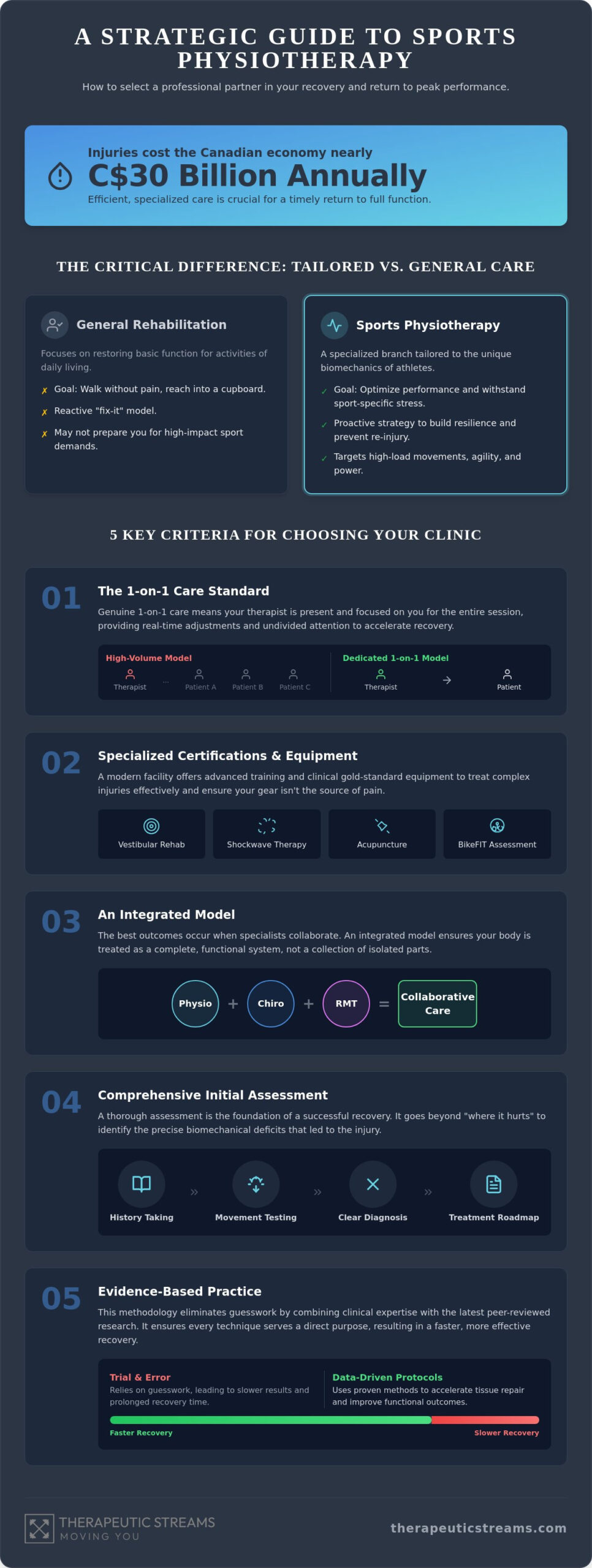
A November 2025 survey revealed that injuries cost the Canadian economy nearly C$30 billion every year, a staggering figure that underscores the importance of returning to full function as efficiently as possible. If you’re currently sidelined, you likely understand the frustration of a recovery that feels stagnant or the feeling of being just another number in a high-volume clinic. It’s common to feel overwhelmed when deciding whether you need a chiropractor, a massage therapist, or a specialist in sports physiotherapy to address the root cause of your injury.
You deserve a clear diagnosis and a predictable timeline for your return to the activities you love. This guide will help you identify the markers of a high-quality clinic so you can stop managing your own rehab and start working with a collaborative partner. We’ll examine how personalized, 1-on-1 attention and an integrated approach to care can accelerate your healing and ensure you don’t just recover, but thrive in your sport once again.
Key Takeaways
- Understand the vital distinction between general rehabilitation and specialized sports physiotherapy to ensure your treatment plan matches your specific athletic demands.
- Learn why 1-on-1 sessions are non-negotiable for receiving the undivided clinical attention necessary to accelerate your recovery timeline.
- Discover the benefits of an integrated model where physiotherapists, chiropractors, and RMTs collaborate to treat your body as a complete, functional system.
- Identify the essential components of a comprehensive initial assessment, from history taking to sport-specific movement testing.
- Gain the criteria needed to select a professional partner in Whitby or Durham who prioritizes evidence-based care and your long-term performance.
What is Sports Physiotherapy and Why Does it Matter for Your Recovery?
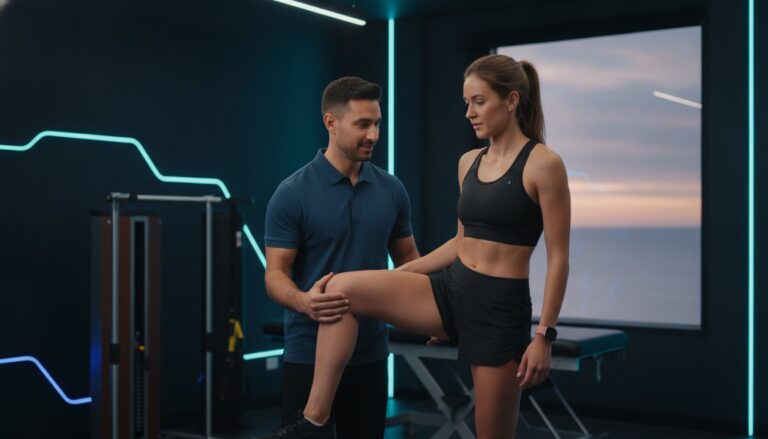
Sports physiotherapy is a specialized branch of physical rehabilitation tailored specifically to the musculoskeletal needs of athletes and active individuals. While many people ask, “What is Physiotherapy?”, the sports-specific designation implies a deeper focus on the mechanics of movement under load. It isn’t just about restoring basic function; it’s about optimizing performance and ensuring the body can withstand the unique stresses of your chosen sport. At Therapeutic Streams, we utilize assessment-driven care to identify the precise biomechanical deficits that led to your injury, allowing us to build a roadmap for a safe and sustainable return to play.
A primary focus of this discipline is the study of biomechanics. We don’t just look at where it hurts; we look at how you move. By analyzing your gait, your throwing motion, or your squat mechanics, we can pinpoint why certain tissues are being overloaded. This preventative lens is what sets sports physiotherapy apart. It transforms the recovery process from a reactive “fix-it” model into a proactive strategy that builds resilience. We want to ensure that when you return to your sport, you’re less likely to face the same setback again.
The Difference Between General and Sports-Specific Rehab
Standard rehabilitation often focuses on restoring the ability to perform activities of daily living, such as walking without pain or reaching into a kitchen cupboard. While these are essential milestones, they don’t prepare a marathon runner for the repetitive impact of a 42-kilometre race or a hockey player for the explosive power required on the ice. Sports-specific rehab bridges this gap by targeting high-load movements and agility. We recognize that athletes require a more proactive, structured recovery timeline. We push. Our goal is to challenge your physical limits in a controlled environment, ensuring your tissues are resilient enough to handle the intensity of competition before you step back onto the field.
How Evidence-Based Practice Speeds Up Healing
We prioritize evidence-based practice to eliminate the guesswork often found in traditional recovery plans. This methodology combines our clinical expertise with the latest peer-reviewed research to deliver treatments that are proven to work. By relying on data rather than trial and error, we can implement specific protocols that are known to accelerate tissue repair and improve functional outcomes. In Whitby, our clinicians stay at the forefront of musculoskeletal research, ensuring every exercise and manual therapy technique we use serves a direct purpose in your recovery. This results-driven approach means you spend less time on the treatment table and more time pursuing your athletic goals.
5 Key Criteria for Choosing the Best Sports Physiotherapy Clinic
Selecting a clinic for sports physiotherapy isn’t just about finding the closest location. It’s an investment in your athletic future. While global standards from the International Federation of Sports Physical Therapy provide a baseline for professional competency, the actual structure of your sessions will dictate your speed of recovery. You need a partner who views your rehabilitation as a collaborative project rather than a transaction. High-quality care requires time, precision, and a multi-disciplinary lens to be truly effective.
The 1-on-1 Care Standard
Many clinics operate on a high-volume model where a therapist bounces between three patients at once. In these environments, you’re often left with a kinesiology assistant or a machine for most of your appointment. This factory approach leads to missed details and slower results. Genuine 1-on-1 care means your therapist is present for every repetition, providing real-time adjustments to your technique. At Therapeutic Streams, our standard of dedicated time ensures that every minute of your session is focused on your specific clinical needs.
Specialized Certifications and Equipment
A modern facility should offer more than just basic exercises. Look for clinicians with advanced training in areas like neurofunctional acupuncture or vestibular rehab, which are critical for complex injuries. Equipment matters too. Shockwave Therapy is a clinical gold standard for chronic tendon issues that haven’t responded to traditional methods. For cyclists in the Durham Region, specialized assessments like BikeFIT are essential to ensure your equipment isn’t the primary source of your pain. If you’re looking for this level of precision, you can explore our specialized clinical services to see how we address these needs.
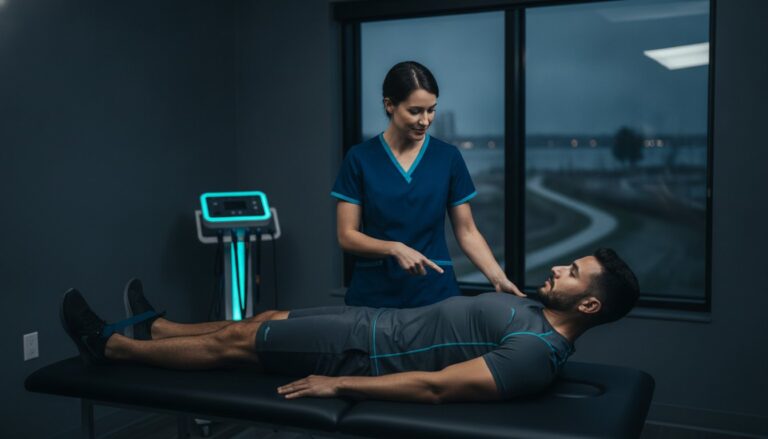
Integrated care is the hallmark of modern sports physiotherapy. The body works as a single, functional system, so your treatment should reflect that. Having Registered Massage Therapy (RMT), Chiropractic care, and Physiotherapy under one roof allows for a seamless flow of information. When your chiropractor can walk across the hall to discuss your joint mobility with your physiotherapist, your care becomes more cohesive. This integrated approach solves the confusion many patients feel when trying to manage their own rehabilitation across multiple different clinics.
Finally, consider the clinical environment. You want a centre that balances professional medical standards with a sense of optimism. Recovery can be challenging; being in an environment that advocates for your success makes a significant difference in your motivation and overall outcome.
The Integrated Model: Combining Physio, Chiropractic, and RMT
The human body doesn’t function in isolated segments. A restriction in the ankle ripples upwards to affect the knee, the hip, and even the lower back. This is why we champion an “Integrated Recovery” philosophy. We view your body as a complete, interconnected system. By combining different clinical disciplines, we address every layer of an injury. This collaborative approach is the hallmark of modern sports physiotherapy, ensuring that no aspect of your musculoskeletal health is overlooked.
Physiotherapy vs. Chiropractic: Do You Need Both?
The debate between choosing a physiotherapist or a chiropractor is often based on a misunderstanding of how these roles overlap. They are complementary, not competitive. Chiropractic care typically focuses on joint mobility and spinal alignment. Physiotherapy emphasizes muscle function, movement patterns, and long-term strengthening. Using both allows us to clear the physical roadblock of a stiff joint while simultaneously building the strength to support it.
Consider a runner dealing with chronic hip pain. A chiropractor might perform targeted mobilizations to ensure the hip joint and pelvis are moving through their full range. Meanwhile, the physiotherapist designs a program to address gluteal weakness and gait mechanics. In our Whitby clinic, these professionals communicate daily. This internal synchronicity prevents the conflicting advice often found when patients manage their own care across separate facilities. It results in a faster, more cohesive recovery.
The Role of RMT in Sports Performance
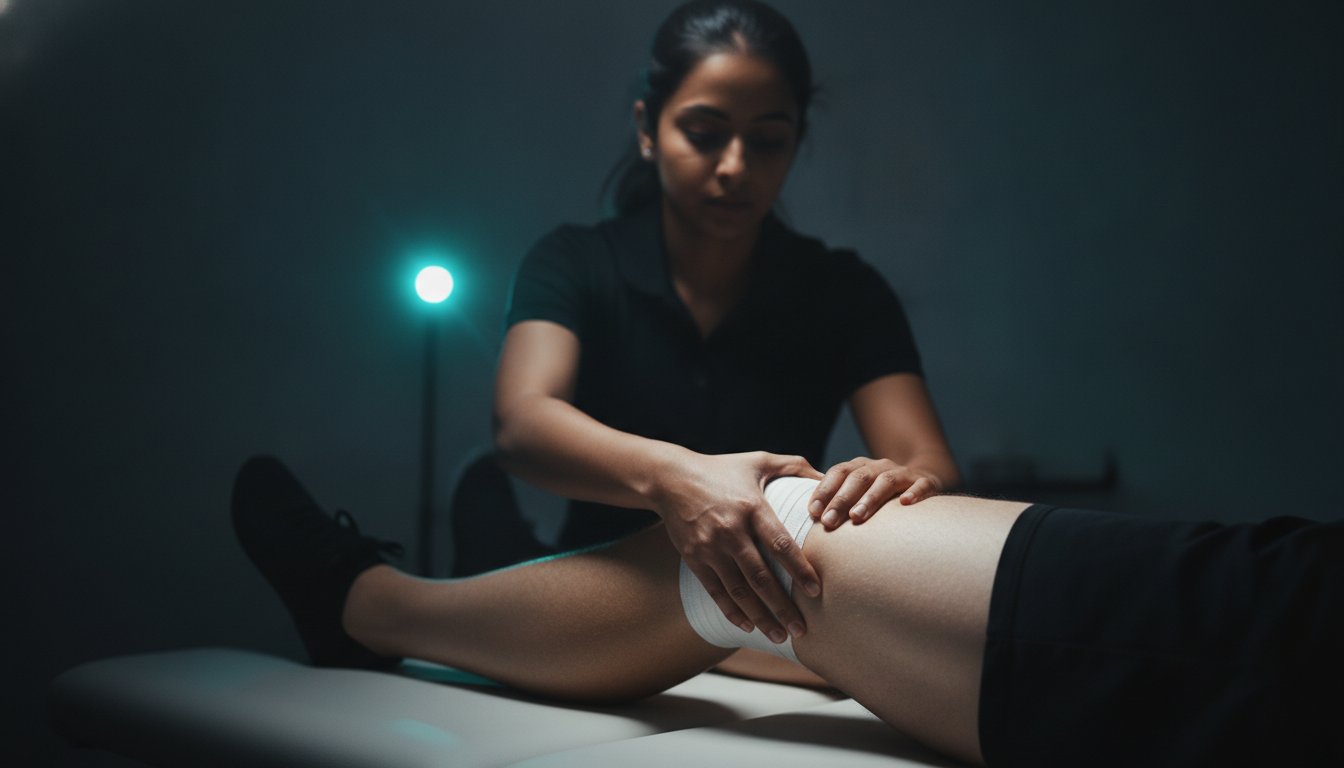
It’s vital to distinguish between a relaxation-focused spa massage and clinical Registered Massage Therapy. In a sports context, RMT is a strategic tool for tissue management. Our RMTs focus on improving circulation, reducing scar tissue, and managing the soft tissue tension that accumulates during intense training. This work supports your sports physiotherapy plan by ensuring your muscles are pliable and ready for the corrective exercises prescribed by your therapist.
Beyond the physical benefits, RMT facilitates mental relaxation and down-regulates the nervous system. This is crucial for athletes who are often in a state of high physical stress. By integrating RMT into your broader plan, we address the soft tissue component of healing while the rest of the team focuses on joint mechanics and functional movement. This multi-layered strategy ensures you return to your sport with a body that is resilient and fully optimized.
What to Expect During Your Initial Assessment and Beyond
Your first appointment for sports physiotherapy is a pivotal moment in your recovery. It’s far more than a simple checklist of symptoms. It’s a deep dive into your physical history and your athletic aspirations. We begin with a comprehensive intake where we discuss your injury timeline, previous setbacks, and sport-specific requirements. Whether you’re a competitive swimmer in Ajax or a recreational runner in Whitby, your personal goals dictate the direction of our clinical focus. We want to know exactly what you’re missing, so we can build the most direct path to get you back there.
Following the discussion, we move into a physical assessment. This process involves testing your range of motion, muscle strength, and functional movement patterns. We aren’t just looking for where it hurts; we’re looking for the “why” behind the discomfort. By the end of this first session, you’ll have a clear diagnosis and a collaborative plan. This plan defines what success looks like for you, such as completing a 10k run in Oshawa without pain or returning to the ice for a full hockey season. As you gain strength and mobility, your treatment plan evolves, shifting from pain management to high-performance conditioning.
Your First Visit: More Than Just a Physical Exam
Expect an educator-style approach during your first visit. We believe that an informed patient is a more successful one. Your therapist will explain the clinical reasoning behind your symptoms, using assessment-driven data to map out your personalized roadmap. Functional testing provides the objective data necessary to ensure your return to play is safe and sustainable. This testing allows us to observe how your body handles the specific stresses of your sport in real-time, ensuring your rehab is grounded in actual movement rather than theory.
Home Exercise and Active Recovery
The time you spend in our Whitby clinic is only a small fraction of your journey. The work you do between appointments is critical for long-term success. We provide clear, accessible guides and utilize modern tools to help you stay on track with your corrective exercises. Consistency is what builds resilience. As you progress, we often facilitate the transition from clinical care to active recovery options like our yoga or pilates classes. This provides a safe bridge between rehabilitation and your full return to training. Ready to start your recovery? Book your initial assessment today and get a clear roadmap back to the activities you love.
Why Whitby and Durham Athletes Trust Therapeutic Streams
Athletes in Whitby and the surrounding Durham Region require more than just a general clinic. They need a partner who understands the high-performance culture of the local sporting community. Therapeutic Streams has become the preferred choice for those seeking sports physiotherapy in Oshawa, Ajax, and Bowmanville. Our reputation is built on a foundation of clinical precision and a deep-seated advocacy for our patients’ long-term wellness. We don’t just treat injuries; we empower individuals to take control of their physical health through evidence-based care.
Our approach is rooted in the persona of the “Empowering Expert.” This means we act as your passionate advocate, guiding you through the complexities of musculoskeletal health with transparency and clinical authority. You’ll never feel like just another number in a busy waiting room. Our commitment to providing 1-on-1 attention within a professional sports physiotherapy environment ensures that your recovery is guided by research-driven practices and personalized assessments. This level of dedicated care is often the critical factor in a successful return to play.
A Sophisticated Approach to Local Healthcare
We maintain a delicate balance between clinical authority and empathetic support. It’s about achieving results, but it’s also about the individual journey from discomfort to wellness. Our team stays current with modern clinical standards, ensuring that our methods reflect the latest advancements in physical medicine. We also understand the administrative burdens that often accompany healthcare. Our patient-centric process includes assisting you with navigating insurance and billing procedures for RMT and physiotherapy. This transparency allows you to focus entirely on your healing while we handle the logistical details of your care.
Ready to Start Your Recovery?
You don’t have to accept diminished performance or persistent discomfort as your new normal. Sidelined performance is a hurdle, not a permanent state. Starting your rehabilitation early is the most effective way to prevent acute injuries from developing into chronic, long-term issues. Our online scheduling system makes booking simple, allowing you to take the first step toward wellness without unnecessary delay. We’re ready to act as your collaborative partner in health, providing the sophisticated care you need to thrive. Book your one-on-one assessment at Therapeutic Streams in Whitby today.
Take Control of Your Athletic Recovery
Choosing the right path for your recovery is the most important decision you’ll make for your athletic longevity. We’ve explored how a dedicated 1-on-1 approach and an integrated team of registered professionals can transform your healing timeline. By combining the strengths of physiotherapy, chiropractic care, and RMT, you ensure that your body is treated as a complete, functional system rather than a collection of isolated symptoms. This collaborative method is designed to address the root cause of your injury while optimizing your overall movement patterns.
As Whitby’s leading evidence-based sports injury clinic, we’re committed to providing the clinical precision and advocacy you deserve. You don’t have to navigate your rehabilitation alone or settle for slow progress. Professional sports physiotherapy is about more than just managing pain; it’s about building a body that is more resilient than it was before your injury. We’re here to ensure your transition from discomfort to wellness is steady, predictable, and successful.
We’re ready to help you return to the activities you love with confidence. Book Your Assessment at Therapeutic Streams today and start your journey back to full function. Your best performance is still ahead of you.
Frequently Asked Questions
Do I need a doctor’s referral for sports physiotherapy in Ontario?
No, you don’t need a doctor’s referral to access sports physiotherapy in Ontario because physiotherapists are primary healthcare professionals. You can book an assessment directly to begin your recovery immediately. It’s important to check your specific insurance policy, as some private providers still require a physician’s note to process reimbursement claims.
How many sessions will it take before I see results for my sports injury?
Most patients begin to see functional improvements within three to six sessions, though the exact timeline depends on the severity of the injury and your commitment to home exercises. We provide a clear recovery roadmap during your initial assessment so you know what to expect. Complex musculoskeletal issues or post-surgical rehab may require a longer, more structured plan to ensure a safe return to sport.
Is sports physiotherapy covered by my employee health insurance?
Yes, most extended health care plans in Canada provide coverage for physiotherapy services. Since our clinicians are registered professionals, your sessions are typically eligible for reimbursement under your “Physiotherapy” benefit. We recommend reviewing your annual coverage limits and per-visit maximums to plan your treatment schedule effectively.
What is the difference between a sports physiotherapist and an athletic therapist?
The primary difference lies in the breadth of training and regulation. Physiotherapists are regulated by the College of Physiotherapists of Ontario and have a scope that includes neurological and cardiorespiratory health in addition to orthopaedics. Athletic therapists focus almost exclusively on the musculoskeletal system and emergency on-field care for athletes. Both are valuable, but a physiotherapist offers a more integrated clinical perspective.
Can sports physiotherapy help with chronic conditions like sciatica or back pain?
Yes, sports physiotherapy is highly effective for chronic conditions like sciatica or persistent back pain because it addresses the underlying biomechanical causes. We don’t just treat the symptoms; we analyze your movement patterns to identify why certain areas are being overloaded. This results-driven approach helps build the long-term resilience needed to prevent future flare-ups during physical activity.
What should I wear to my first sports physiotherapy appointment?
You should wear loose, comfortable clothing that allows your therapist to easily see and access the injured area. For lower body injuries, shorts are ideal, while a tank top or loose t-shirt is best for shoulder or neck assessments. Proper athletic footwear is also helpful if your therapist needs to evaluate your gait or perform functional movement testing.
Do you offer direct billing to insurance providers in Whitby?
We offer direct billing to most major insurance providers for residents in Whitby and the surrounding Durham Region. This patient-centric service reduces your out-of-pocket expenses and simplifies the administrative side of your recovery. Our team can help you verify your billing options during your first visit to ensure a seamless experience.
How does vestibular therapy help with sports-related concussions?
Vestibular therapy addresses the balance and dizziness issues that often follow a sports-related concussion. By using specialized exercises to retrain the sensory system, we help resolve visual tracking problems and spatial disorientation. This targeted approach is a critical component of a comprehensive return-to-play protocol, ensuring your brain and body are fully synchronized before you resume competitive activity.