
A concussion doesn’t always look serious — but ignoring the signs can change everything
If you or your child has suffered a concussion — whether from a hockey collision, a fall, or a car accident — getting the right assessment early matters. At Therapeutic Streams, concussion care is backed by two Shift-certified providers: Dr. Ryan, certified in Shift Concussion Management Level 1, and Dr. Steven, certified in both Level 1 and Level 2 for advanced and complex cases. Shift is one of the most rigorous evidence-based concussion protocols used by chiropractors and physiotherapists across Canada. As part of our sports chiropractic care, we help athletes and active adults return to play, work, and school safely — not just symptom-free, but fully recovered.

What Makes Shift-Certified Concussion Care Different
Most concussion advice stops at “rest and wait it out.” Shift Concussion Management takes a different approach: a structured, evidence-based assessment of the vestibular (balance), ocular (eye movement), cervical (neck), and autonomic (nervous system) systems that are actually involved in most concussions. Having two Shift-certified providers on our team means your assessment and treatment plan are built on standardized, research-backed tools — not guesswork, with a clear path to advanced care if you need it.
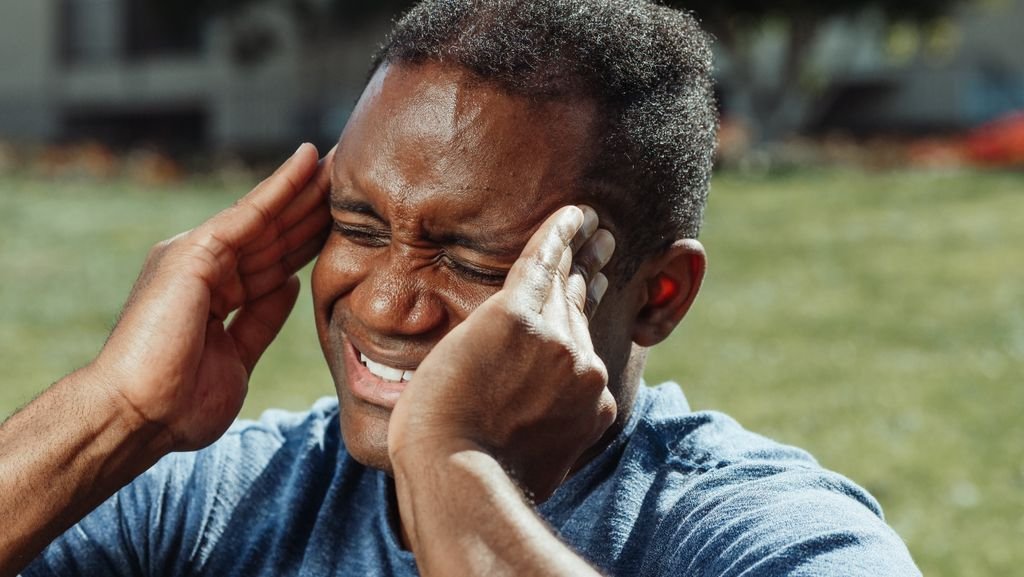
Signs You May Have a Concussion
Concussions don’t always involve losing consciousness — in fact, most don’t. Watch for:
- Headache or “pressure” in the head
- Dizziness or balance problems
- Sensitivity to light or noise
- Difficulty concentrating or feeling “foggy”
- Nausea, fatigue, or sleep disturbance
- Neck pain or stiffness following the injury
If you or your child is experiencing any of these after a hit to the head or body, an assessment sooner rather than later leads to a faster, safer recovery.
Our Concussion Assessment & Treatment Approach
Every concussion is different, which is why a one-size-fits-all rest protocol often falls short. Your assessment includes a detailed history, standardized symptom scoring, and testing across the systems most often affected: balance, eye tracking, neck mobility, and exertion tolerance. Straightforward cases are managed under Dr. Ryan’s Level 1 protocol; if symptoms are persistent, complex, or involve significant vestibular or autonomic involvement, you’re seamlessly moved into advanced care with Dr. Steven’s Level 2 training. Either way, we build a personalized, active recovery plan — combining hands-on treatment with a graded return-to-activity protocol, so you’re not just resting, you’re recovering.

Return-to-Sport & School Protocols
For young athletes especially, returning too early — or waiting too long — both carry risk. We follow structured, step-by-step return-to-sport and return-to-school protocols, adjusting your pace based on how your symptoms respond, and coordinating with coaches, teachers, or your family doctor when needed.